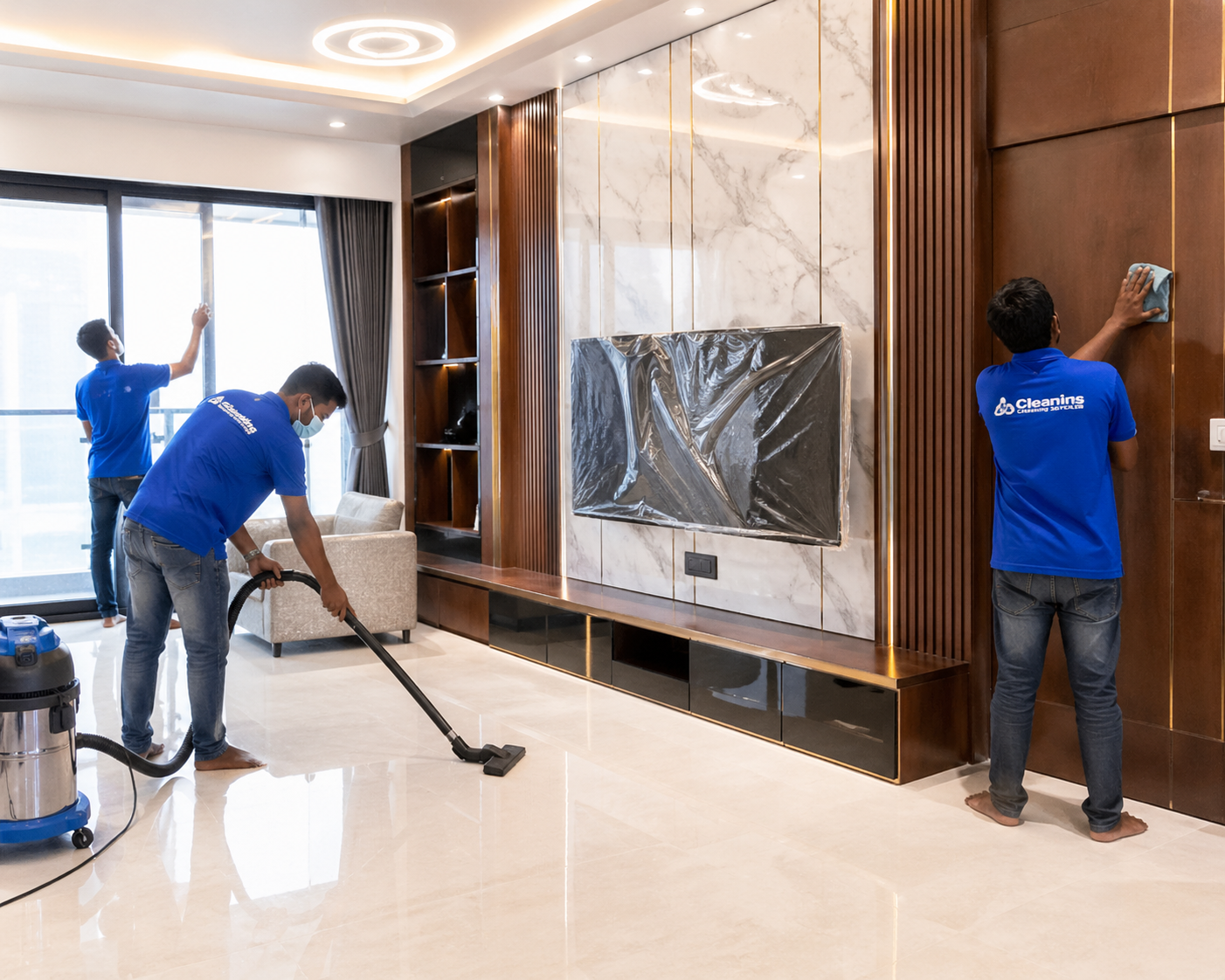
Learn the most common interior design mistakes in Indian homes and how to avoid them for better space planning, lighting, storage, and comfort.
Interior design becomes easier when you know what not to do. Many Indian homes face similar challenges—limited space, uneven light, ventilation issues, and budget constraints. Avoiding a few common mistakes can save money, reduce rework, and help your home function better for years.
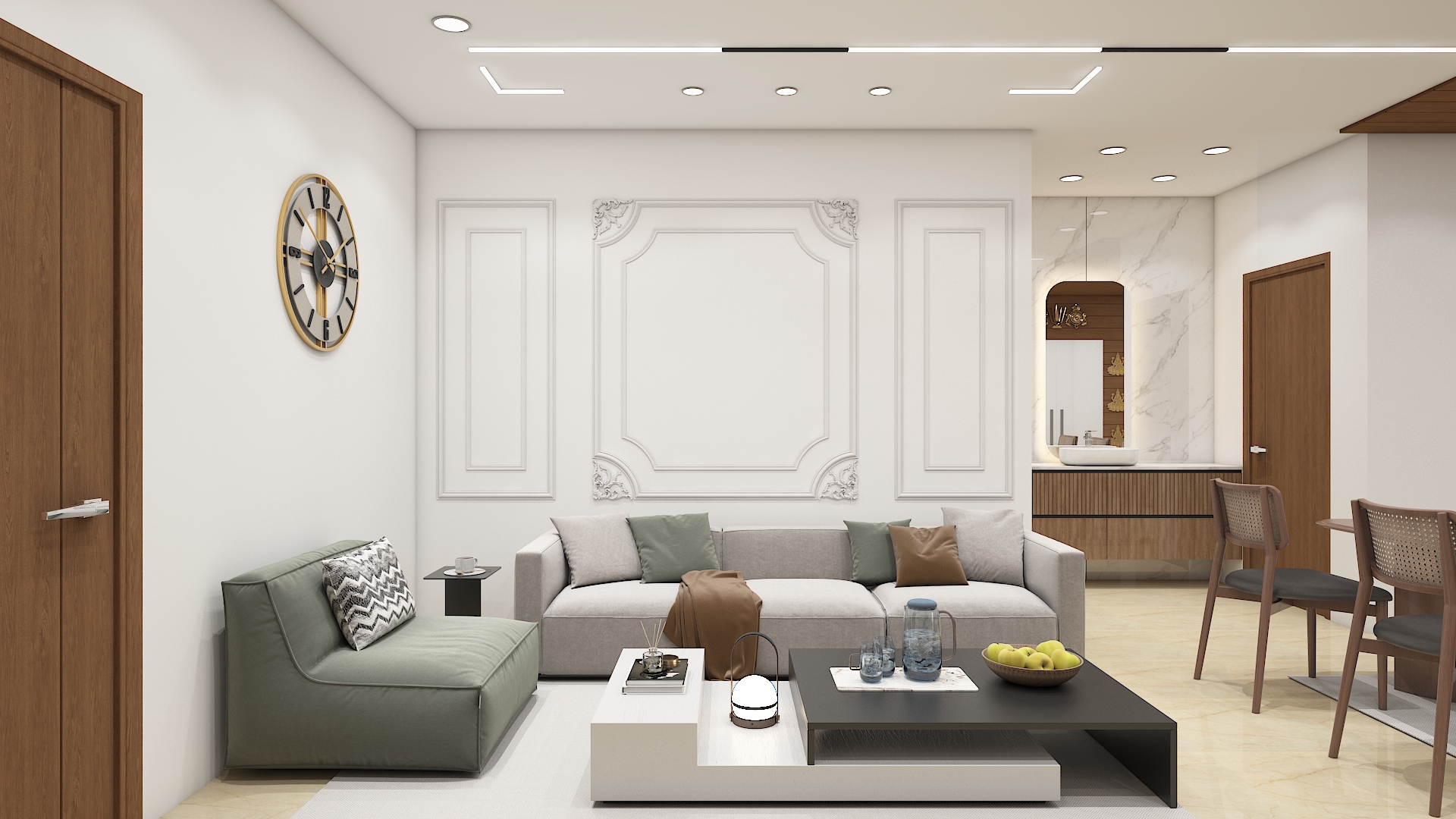
In many homes, furniture is bought before checking room size. This leads to cramped circulation and blocked windows.
What to keep in mind
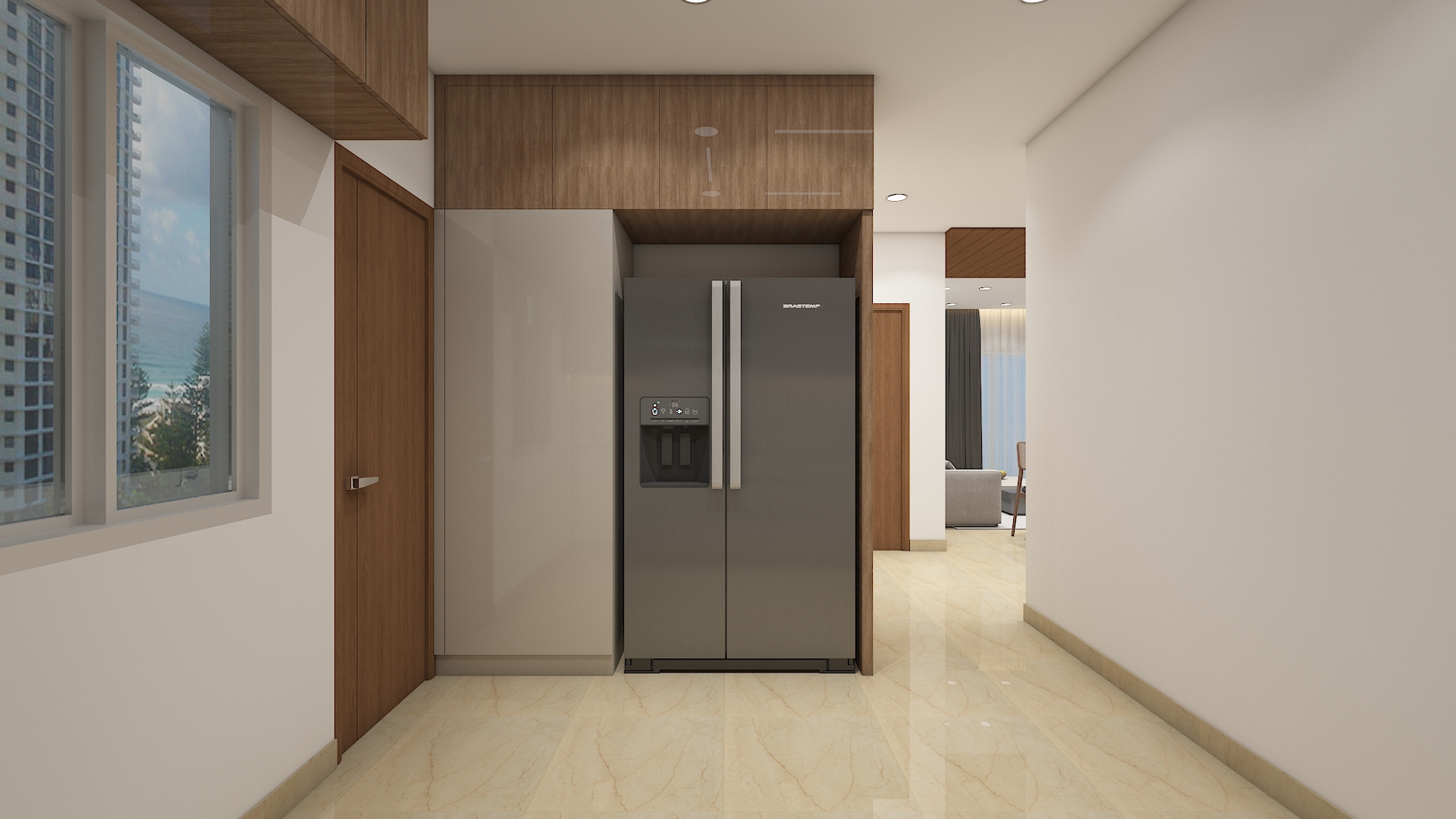
A kitchen becomes difficult to use if the work triangle—sink, stove, and refrigerator—is not aligned well.
Key points
Dark colours reduce light and make small rooms feel smaller.
Safer approach
Lack of storage leads to cluttering, especially in apartments.
Practical tips
Blocking windows with heavy curtains or furniture reduces airflow.
Avoid
Some materials look good initially but are difficult to maintain in Indian weather and usage.
Examples
Too many decorative lights or poor light distribution can affect comfort.
What works
Rework in these areas becomes expensive once the home is complete.
Checklist
Homeowners often overspend on visible items while neglecting essentials.
Better approach
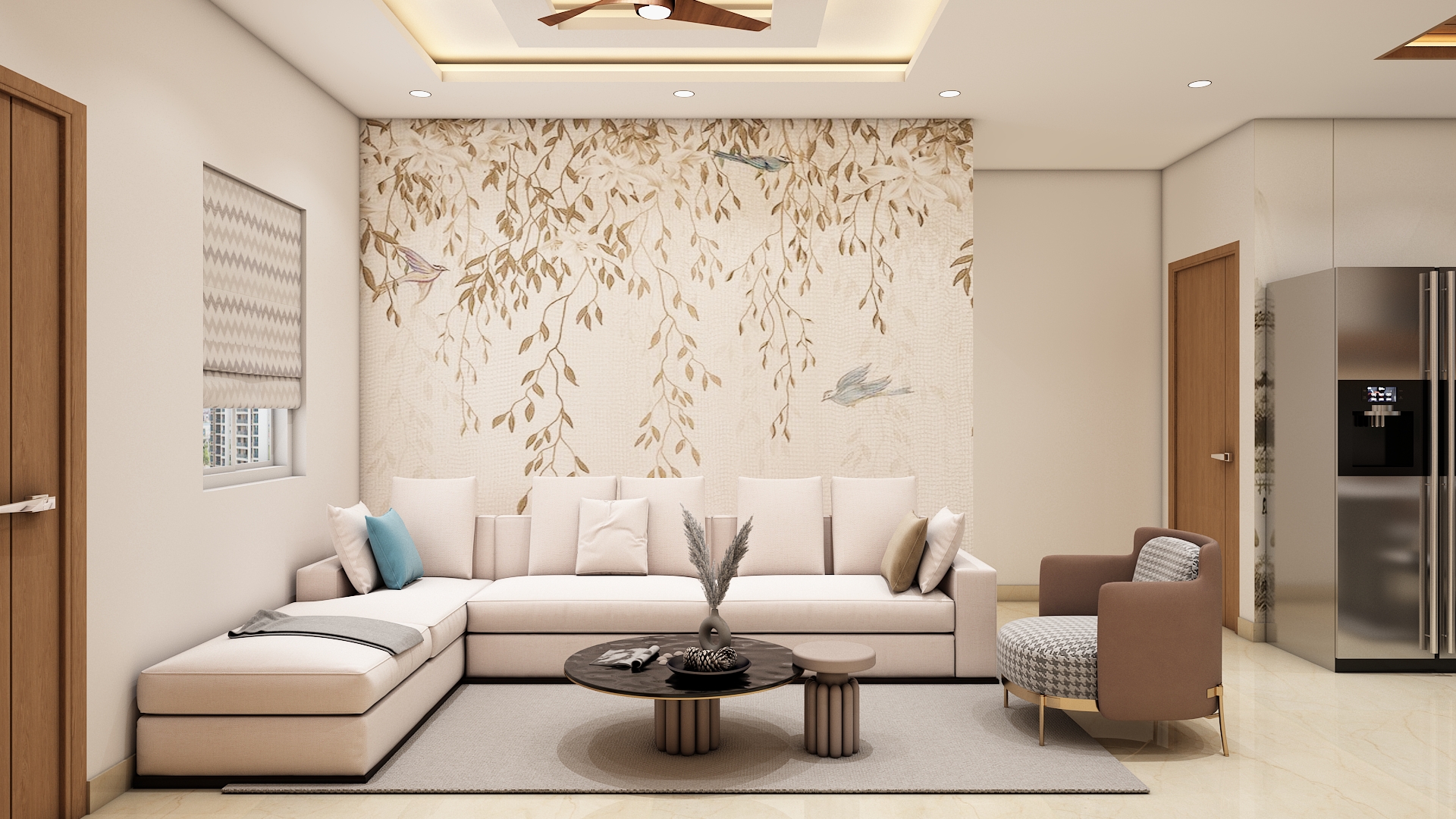
Mixing multiple colour palettes, patterns, and styles creates visual clutter.
Keep it simple
A well-designed home is not about expensive finishes or following trends. It is about planning space wisely, choosing practical materials, and ensuring long-term comfort. When decisions are taken with clarity, the home becomes easier to maintain and more enjoyable to live in.
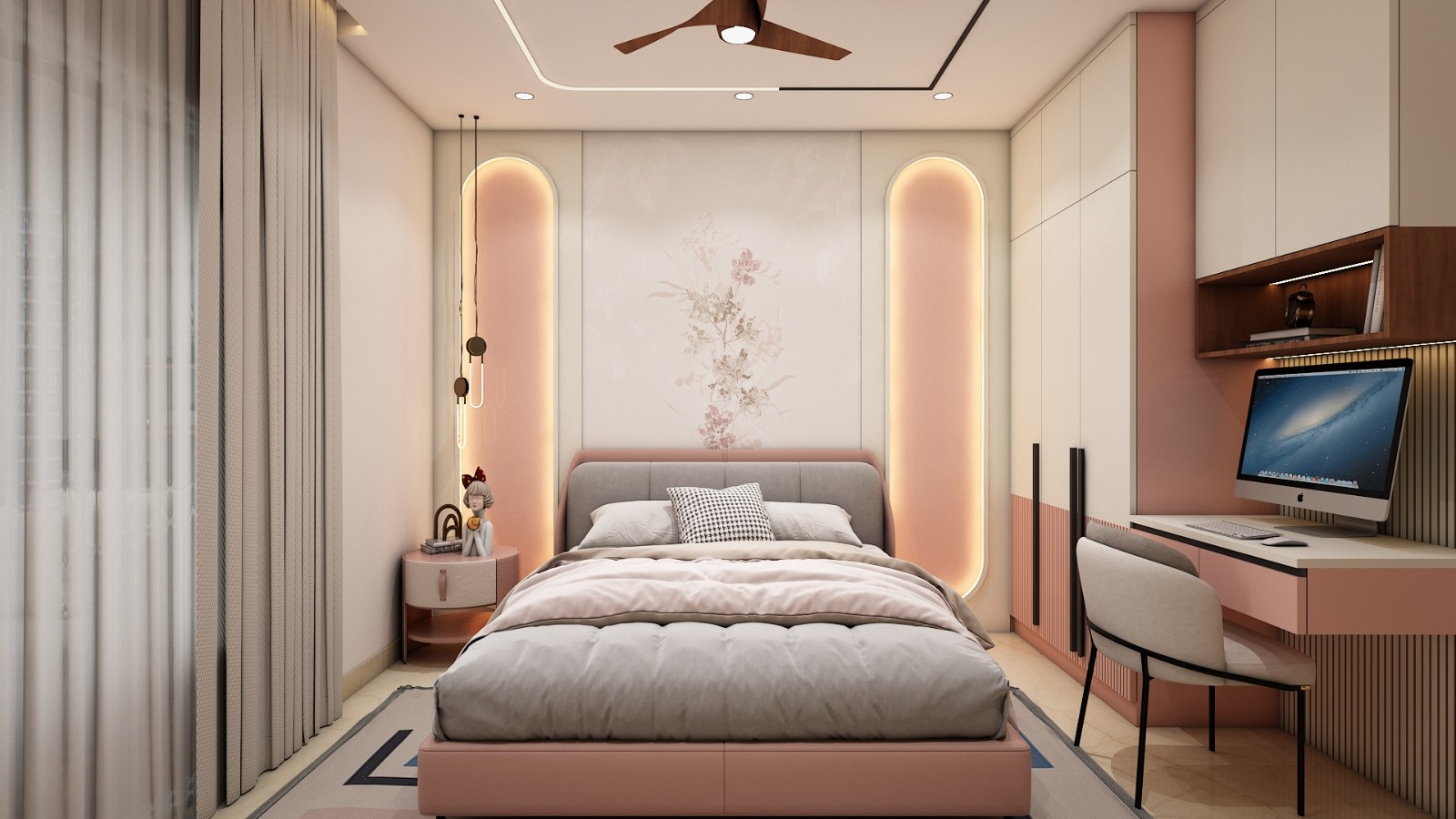
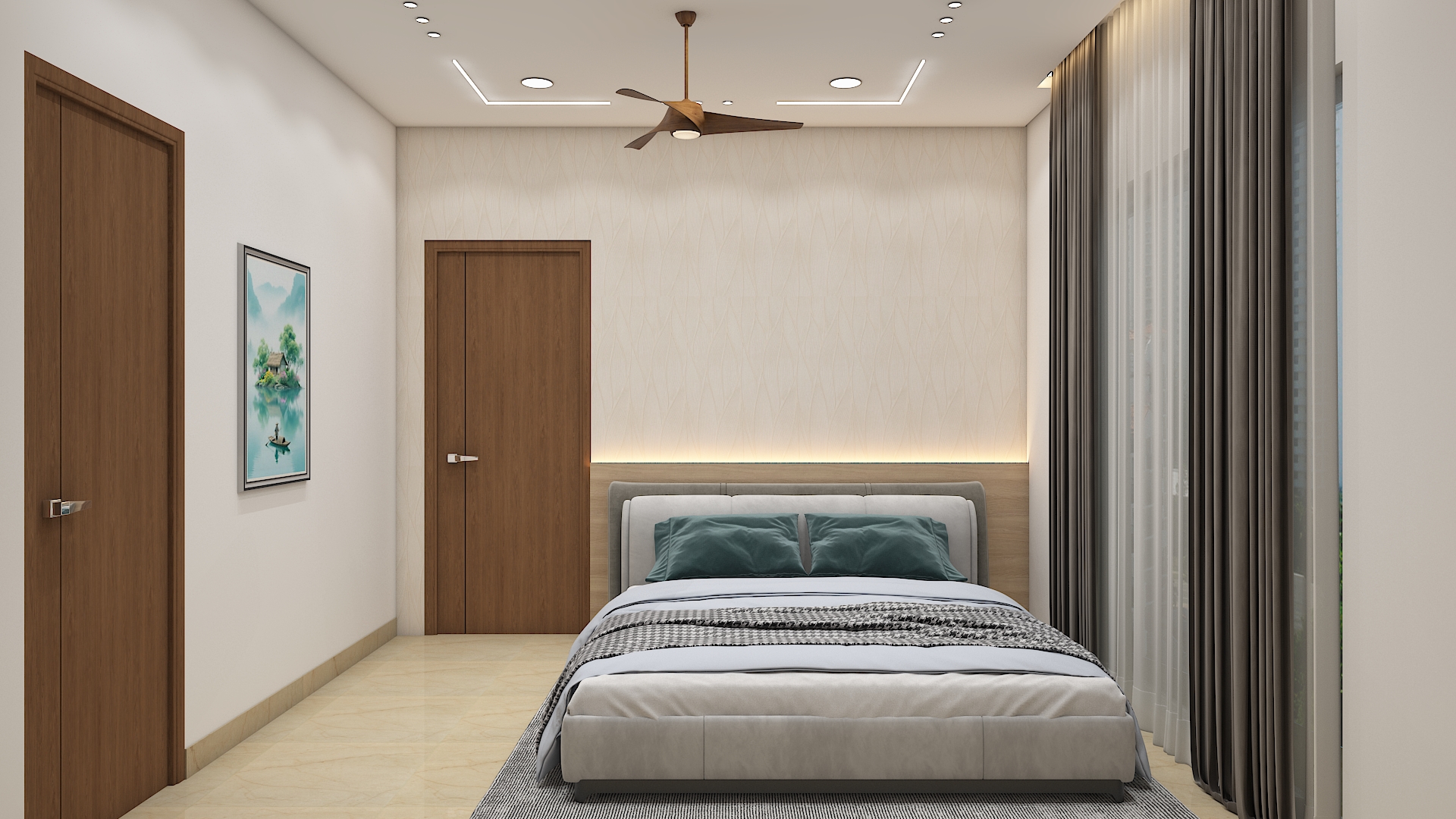 Aparna Kanopy Yellow Bells Home Interior
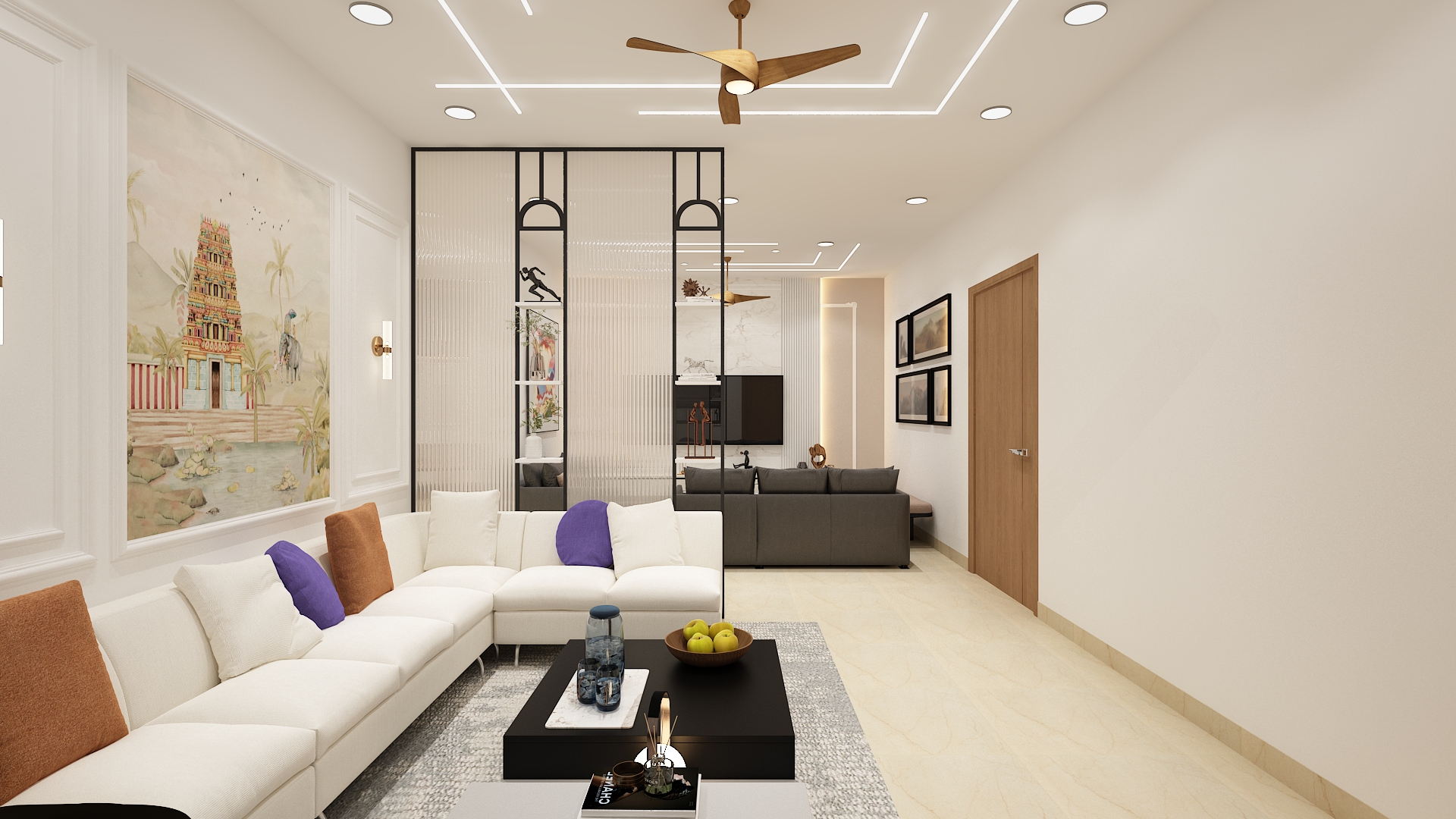
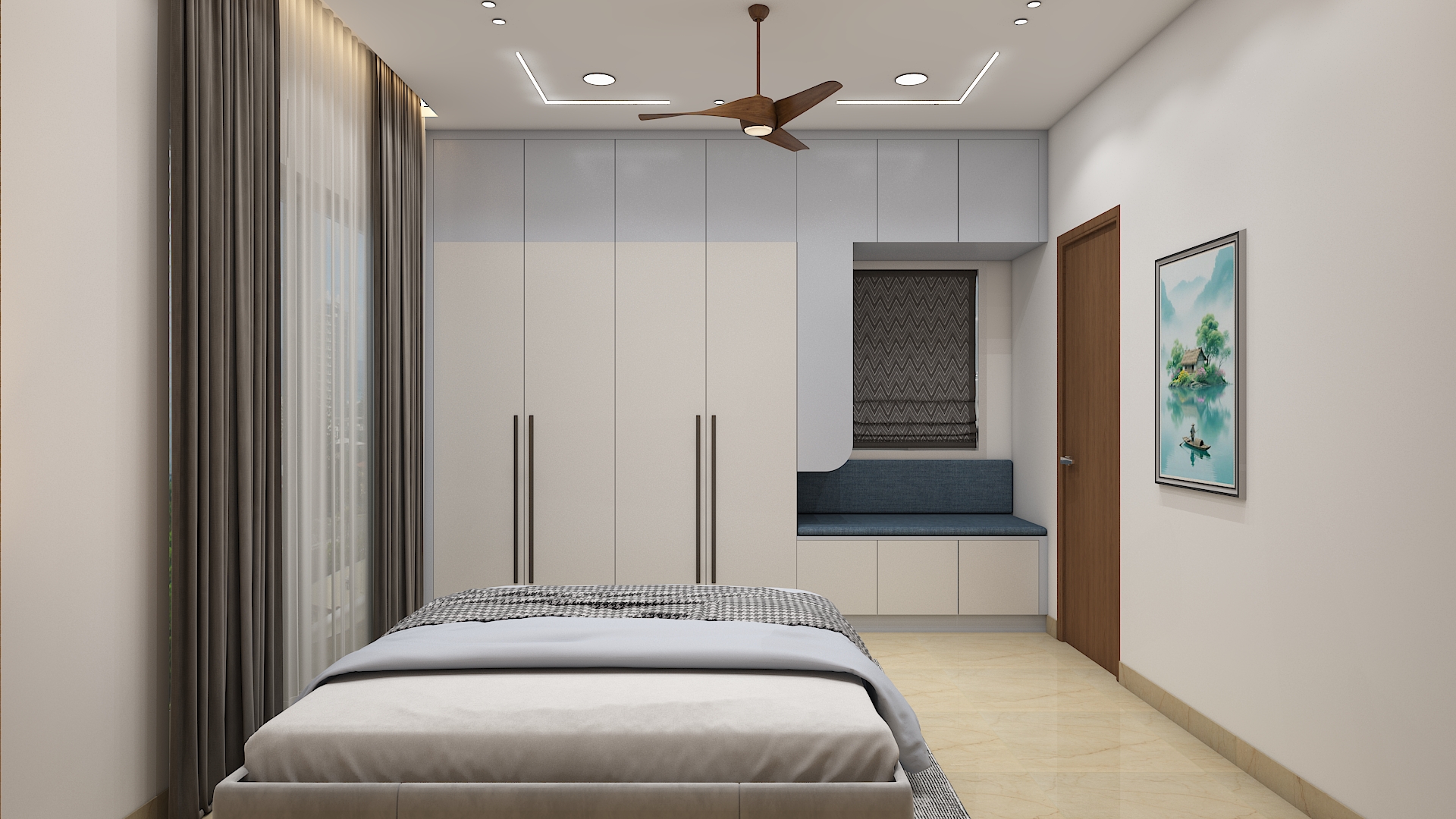 Aparna Kanopy Yellow Bells Home Interior
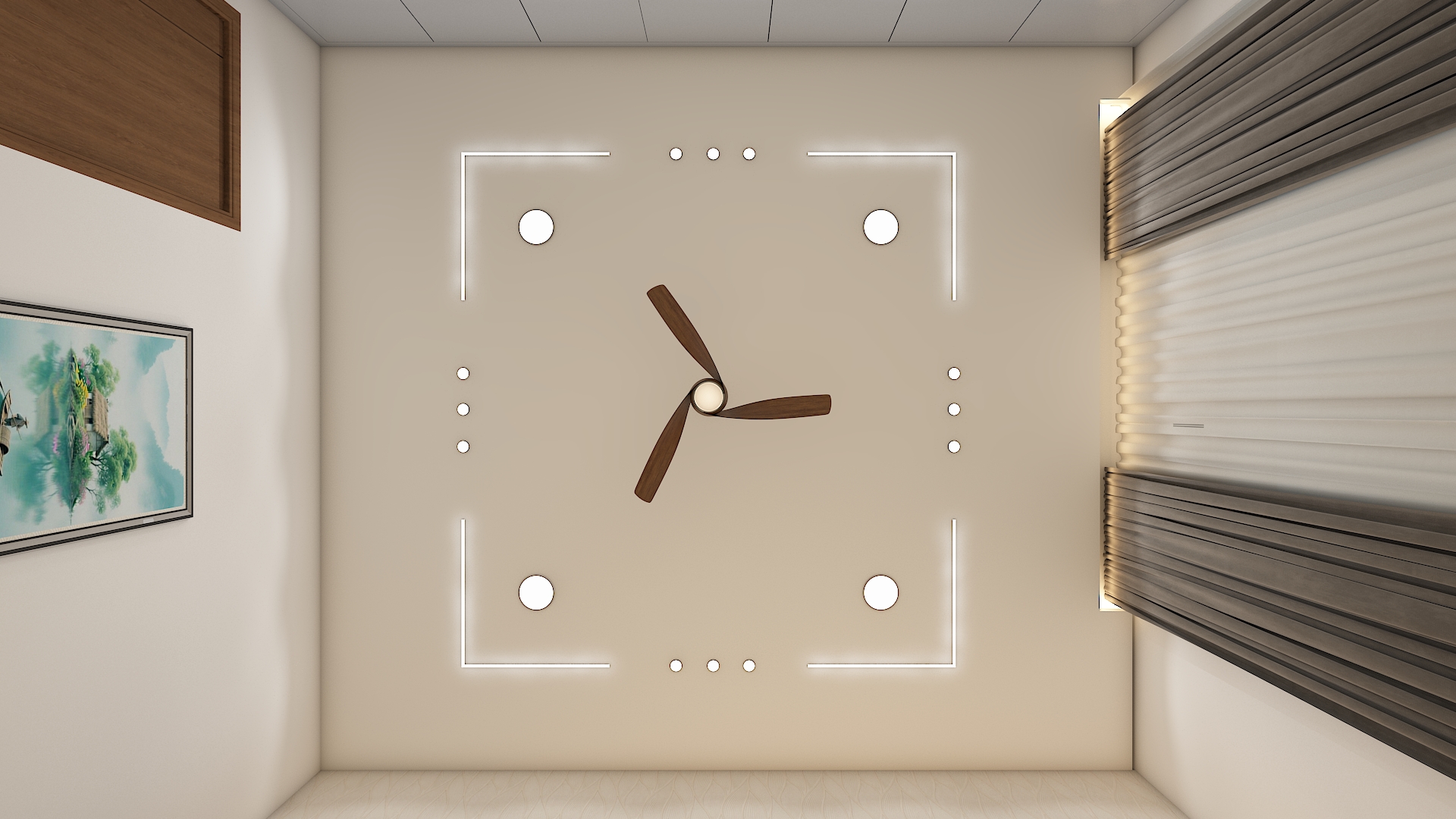 Aparna Kanopy Yellow Bells Home Interior
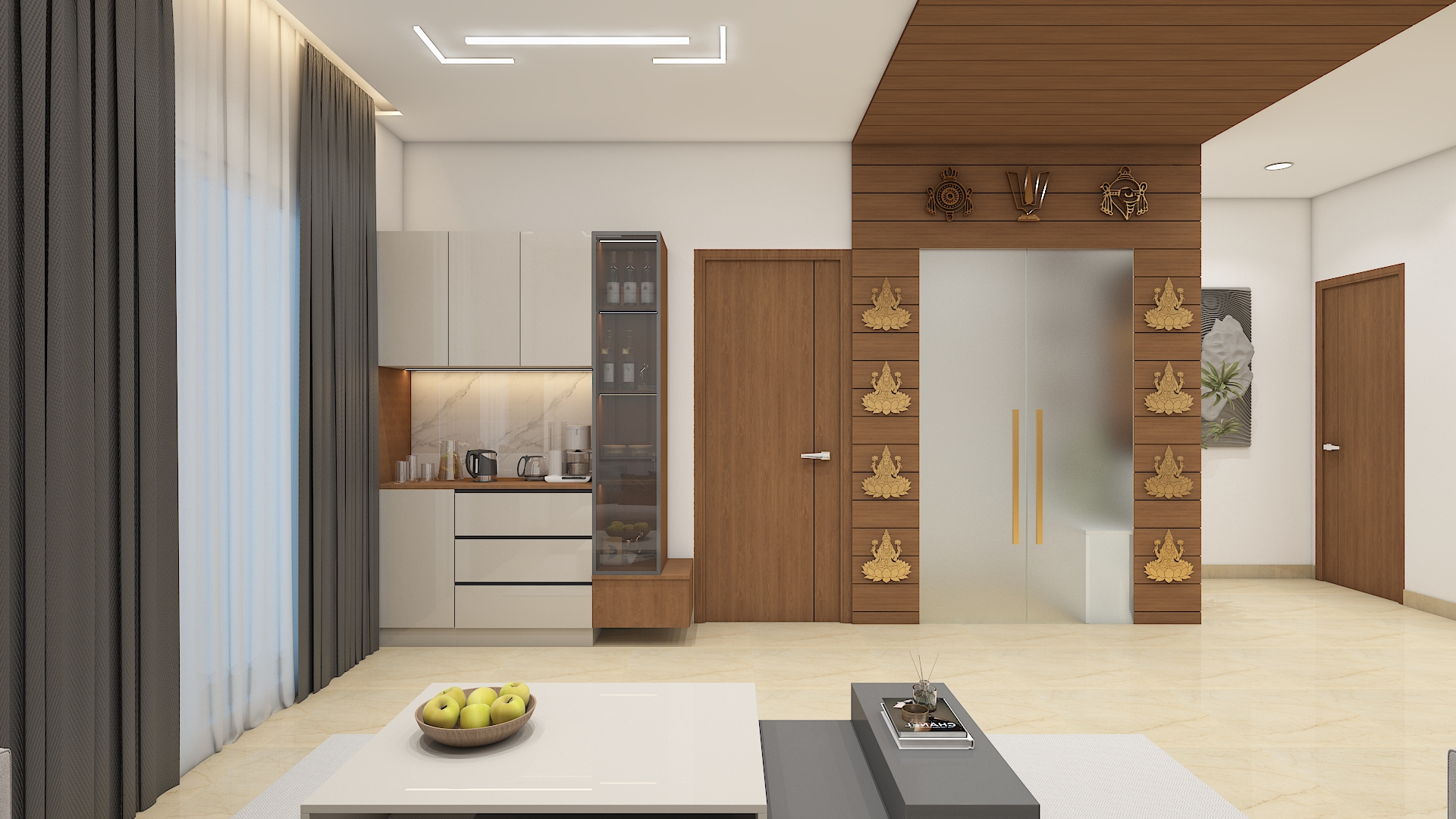 Aparna Kanopy Yellow Bells Home Interior
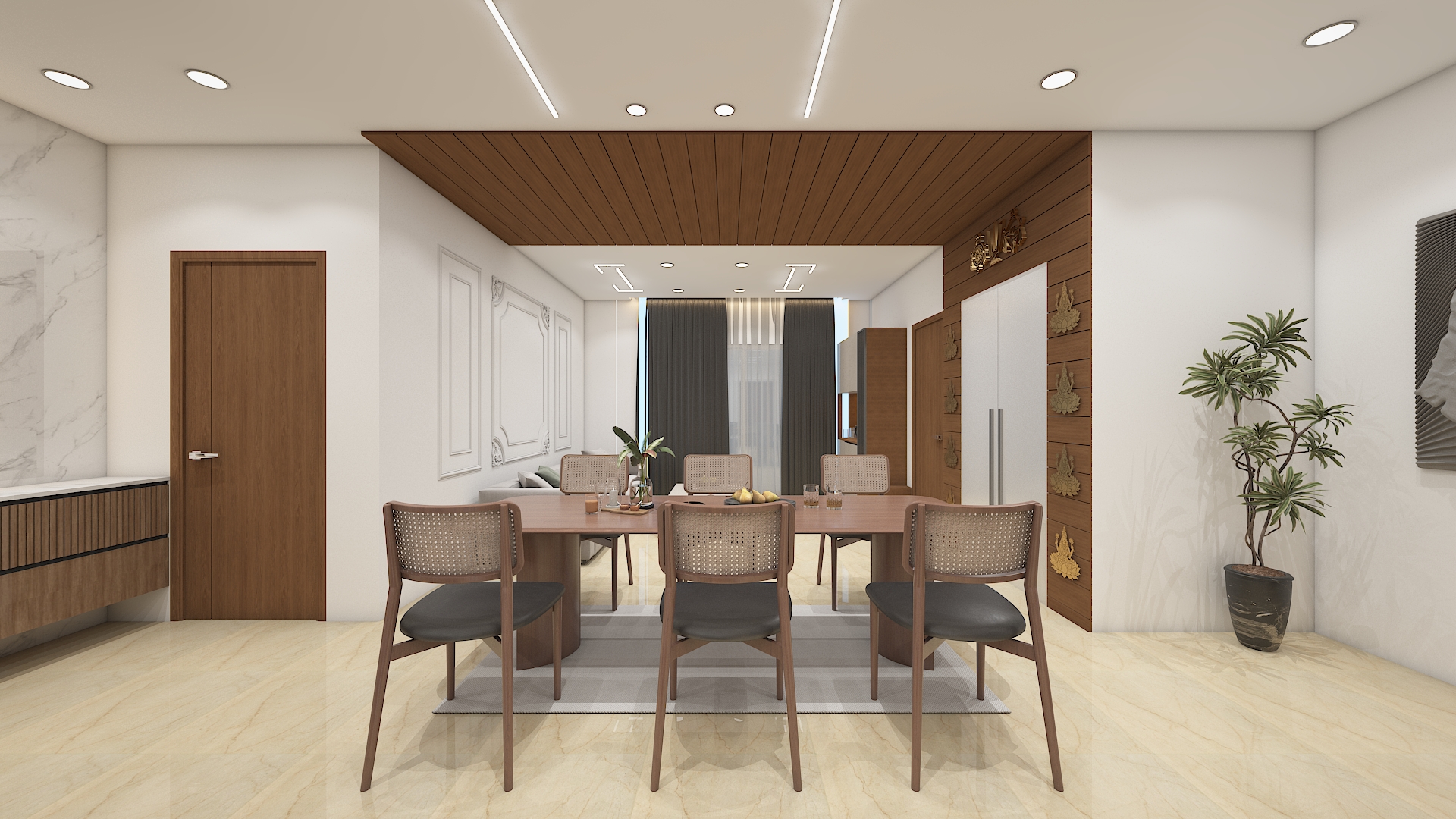 Aparna Kanopy Yellow Bells Home Interior
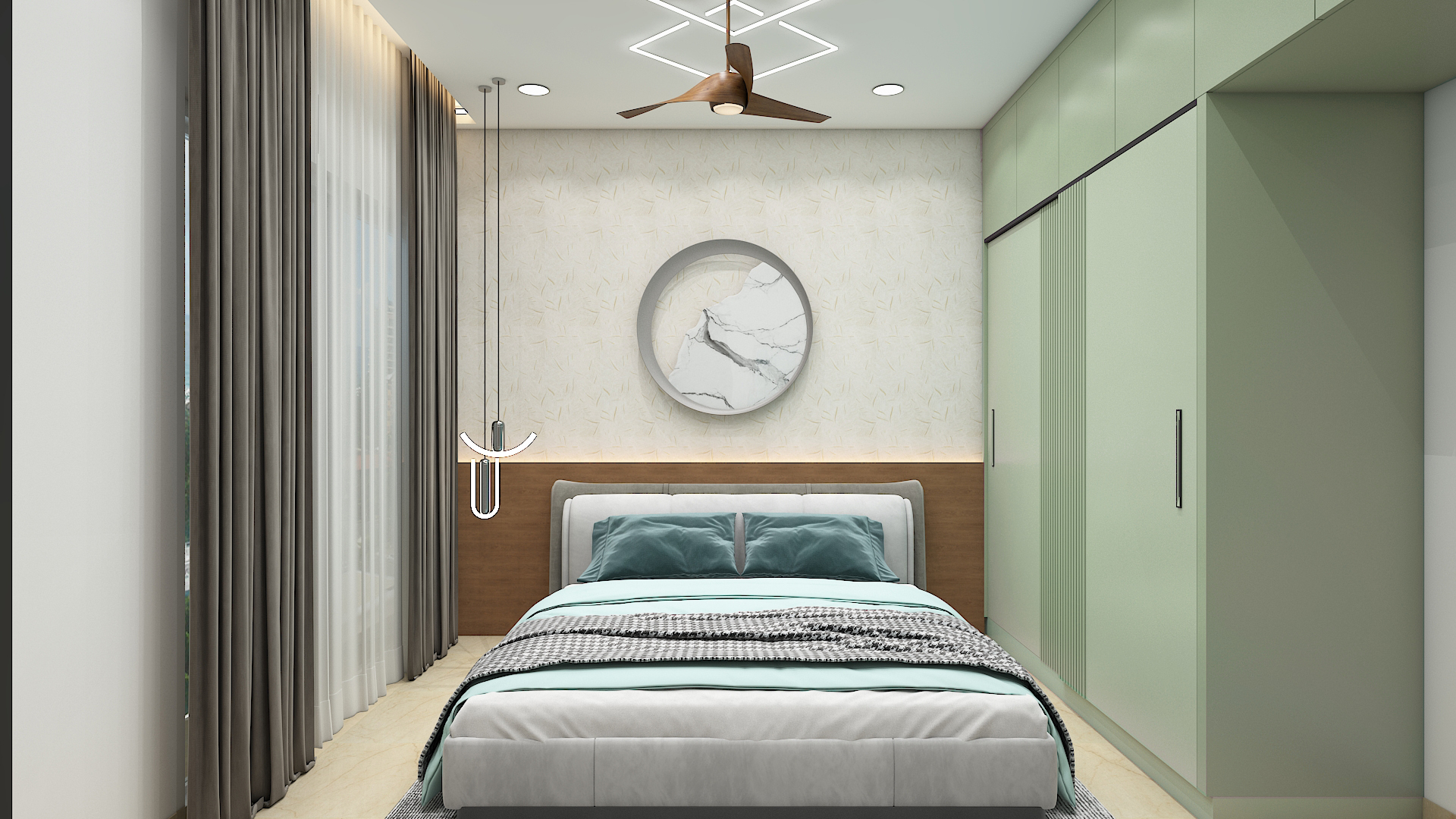 Aparna Kanopy Yellow Bells Home Interior
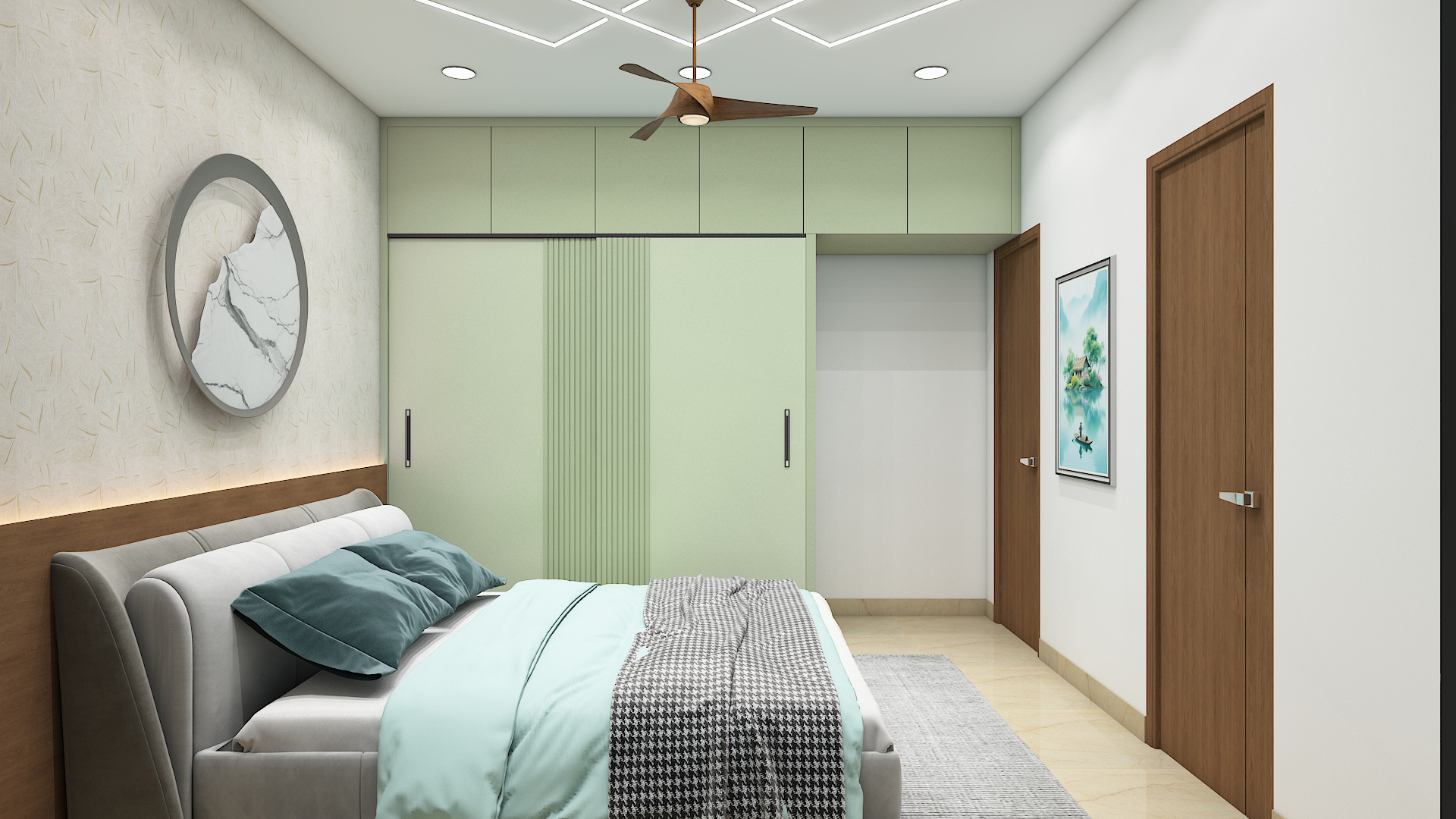 Aparna Kanopy Yellow Bells Home Interior
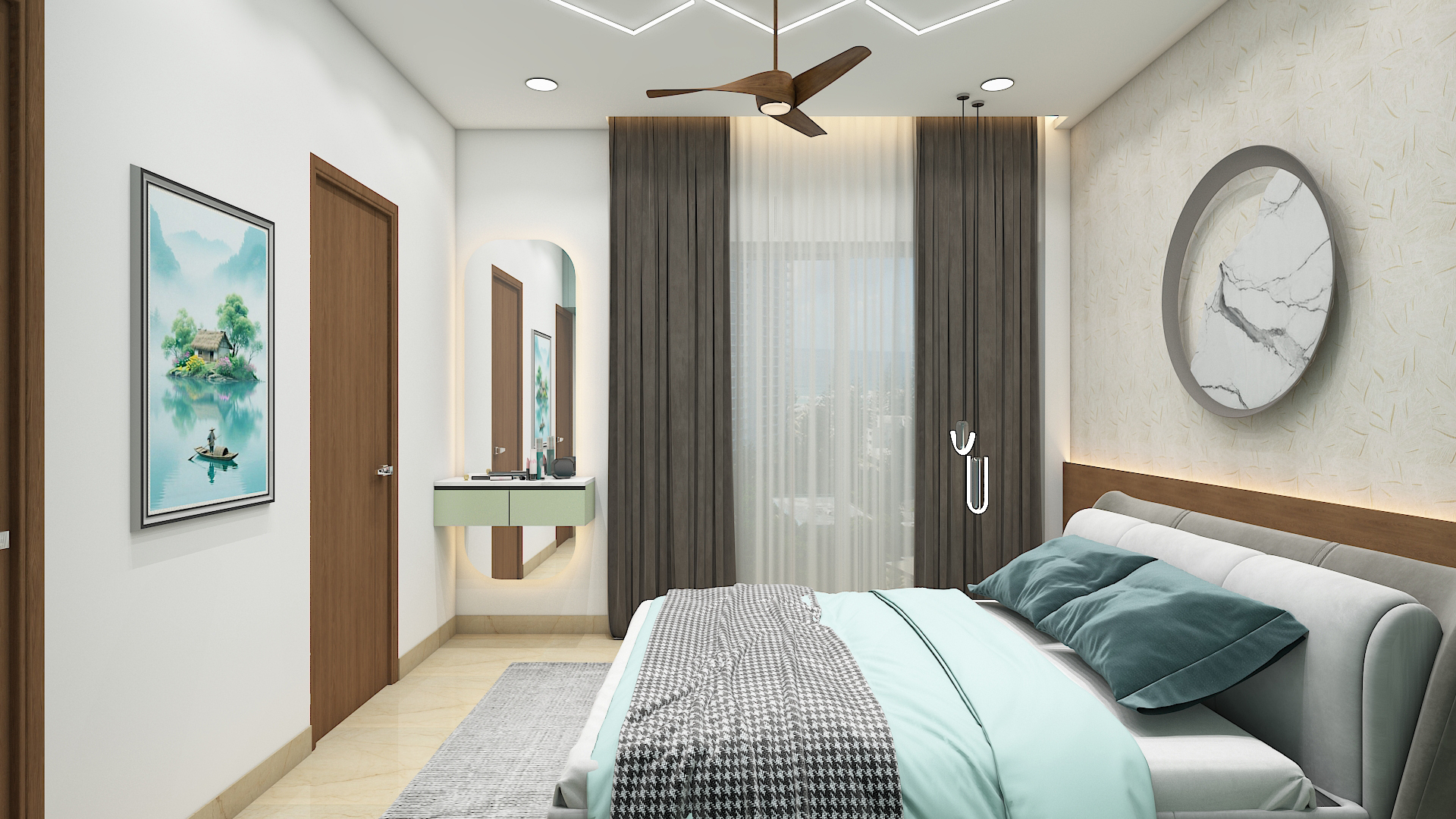 Aparna Kanopy Yellow Bells Home Interior
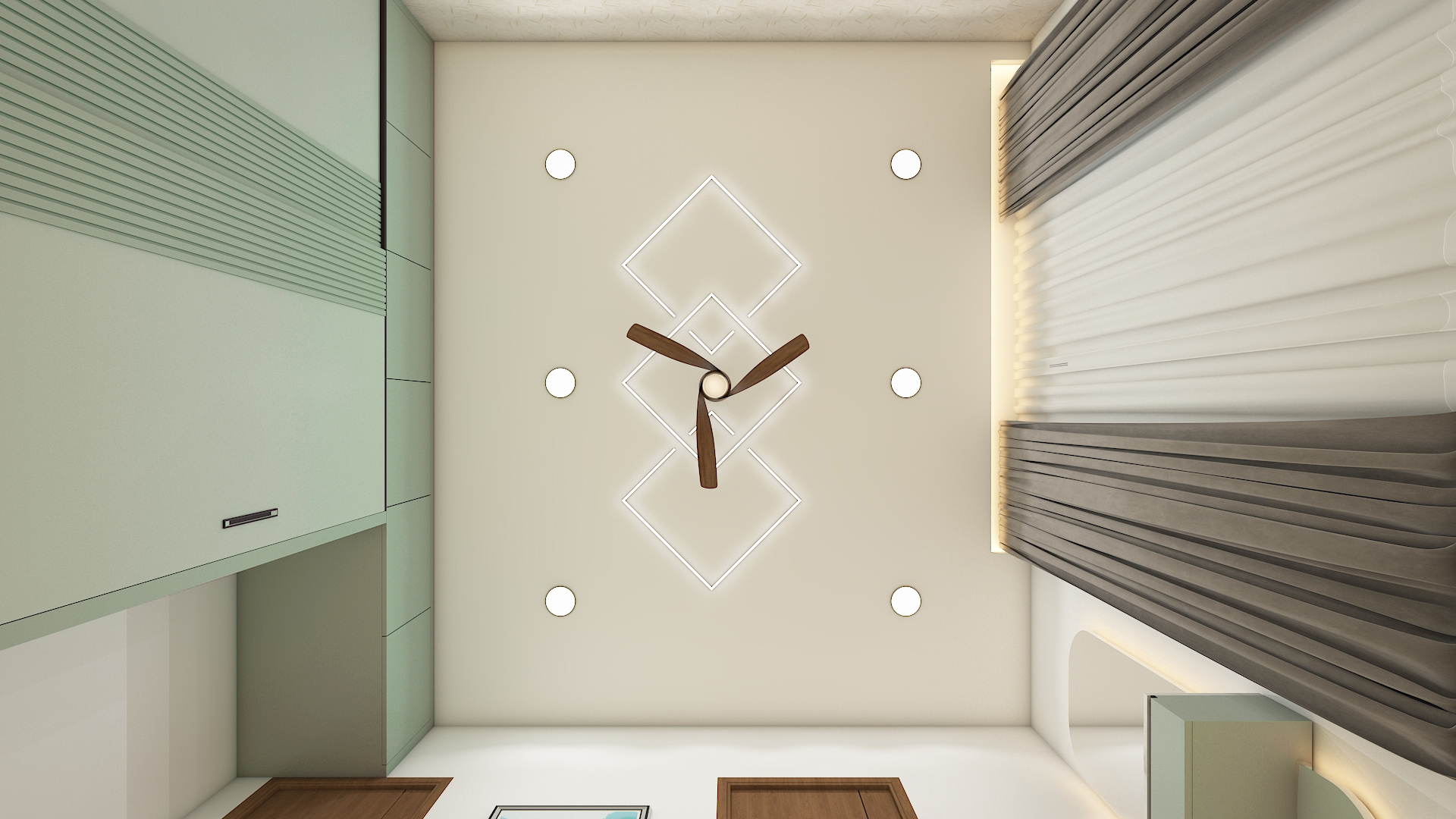 Aparna Kanopy Yellow Bells Home Interior
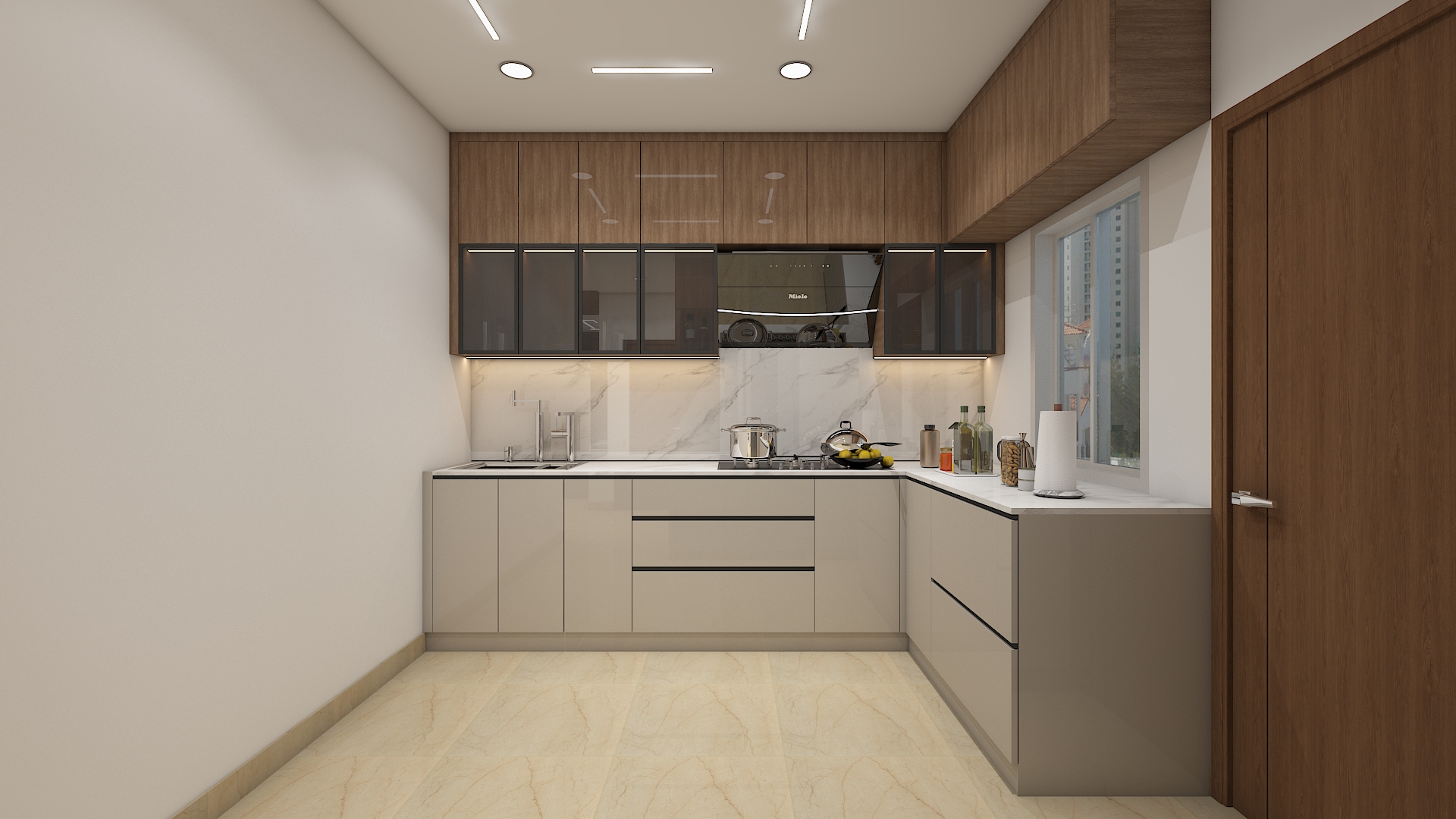 Aparna Kanopy Yellow Bells Home Interior
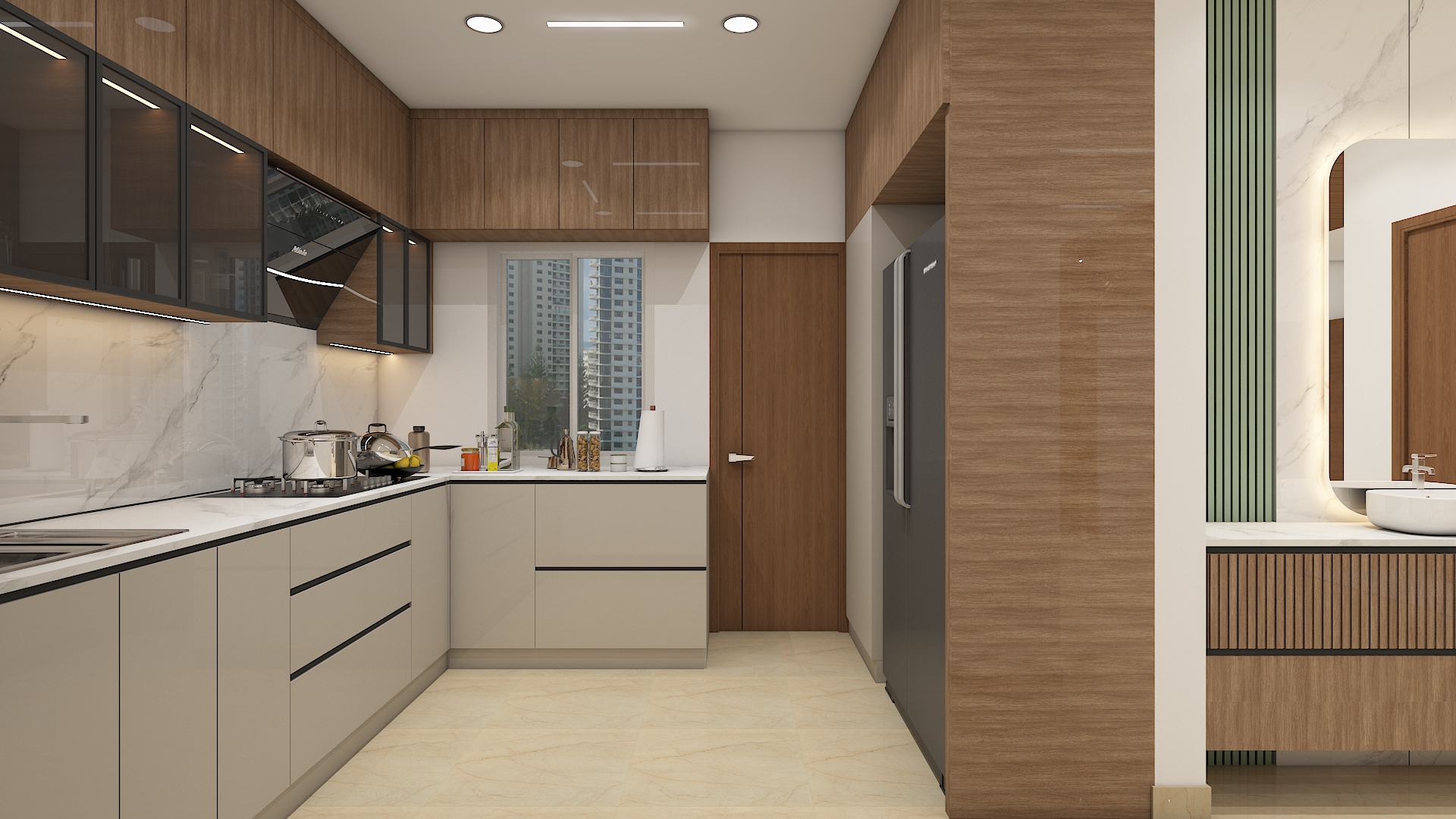 Aparna Kanopy Yellow Bells Home Interior
 Aparna Kanopy Yellow Bells Home Interior




.png)