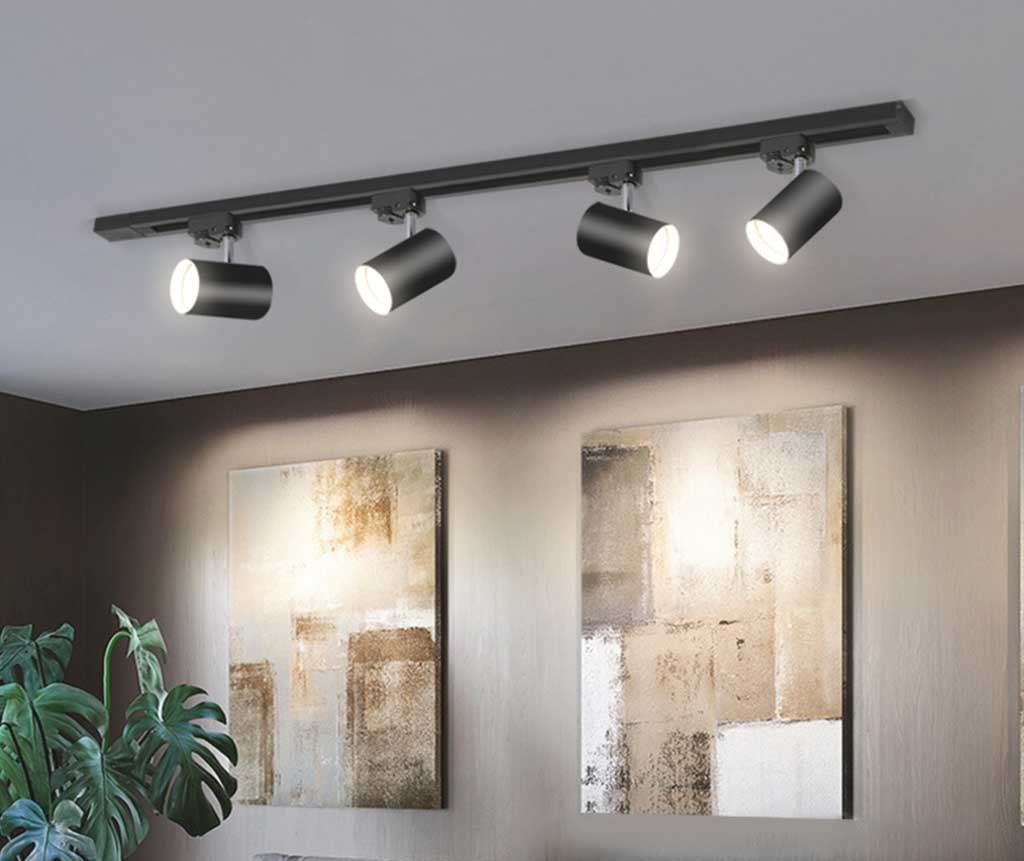
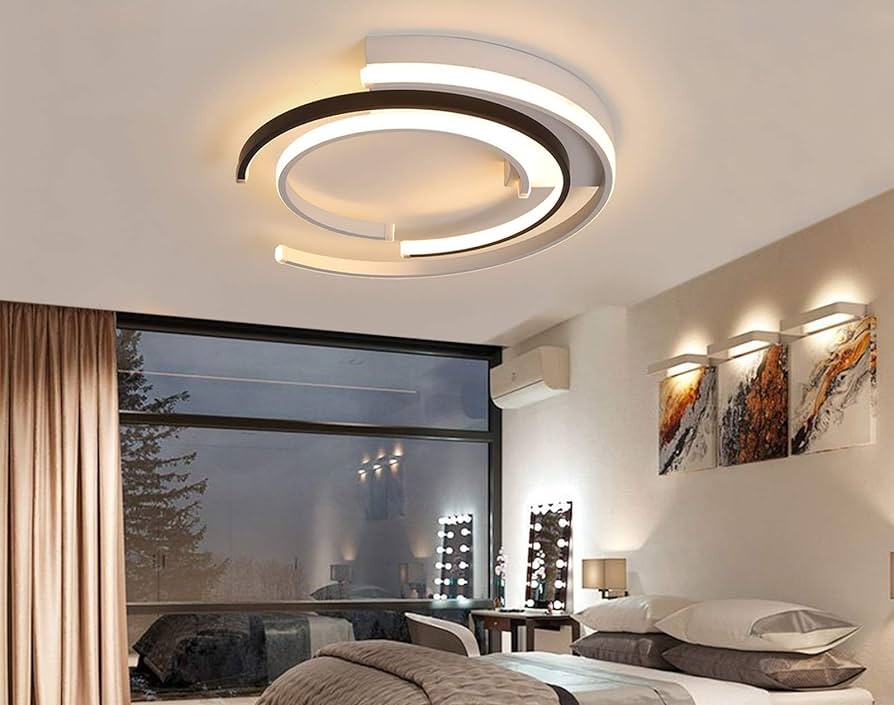
Discover the best motion sensor lights for Indian homes. Learn types, ideal locations, energy savings, and buying tips for Indian apartments and houses.
Motion sensor lights are useful in many parts of an Indian home, especially in areas where you need quick illumination without searching for a switch. They improve safety, reduce electricity usage, and make movement easier during night hours. This guide explains the types of motion sensor lights available, where they work best, what features to check, and practical points homeowners should consider before buying.
These lights are mainly installed in places where movement is frequent and switches are not easily accessible.
Common areas include:
Different types suit different spaces. Selecting the correct type ensures better performance and longer life.
a. Ceiling-Mounted Motion Sensor Lights
b. Wall-Mounted Motion Sensor Lights
c. Under-Cabinet and Wardrobe Sensor Lights
d. Rechargeable Motion Sensor Lights
3. Features to Check Before Buying
These features directly affect durability, electricity usage, and day-to-day convenience.
Motion Detection Range
Brightness (Lumens)
Choose based on usage:
Warm white (3000K) for indoor comfort
Cool white (4000K–6500K) for utility areas and outdoors
Delay Timer
Check if the light turns off automatically after a chosen time (10–90 seconds). Longer timers suit outdoor areas.
Build Quality Opt for lights with:
Below are reliable, commonly available options that work well in Indian homes. These suggestions are based on performance, longevity, and practicality rather than brand popularity.
Indoor Areas
Homeowners often face issues because of incorrect placement or mismatched specifications.
Motion sensor lights generally require low maintenance.
The best motion sensor lights are those that match the specific needs of each space. Instead of focusing on brand or appearance, homeowners should check detection range, brightness, installation method, and durability. When placed correctly, these lights improve convenience and safety while reducing long-term electricity costs.
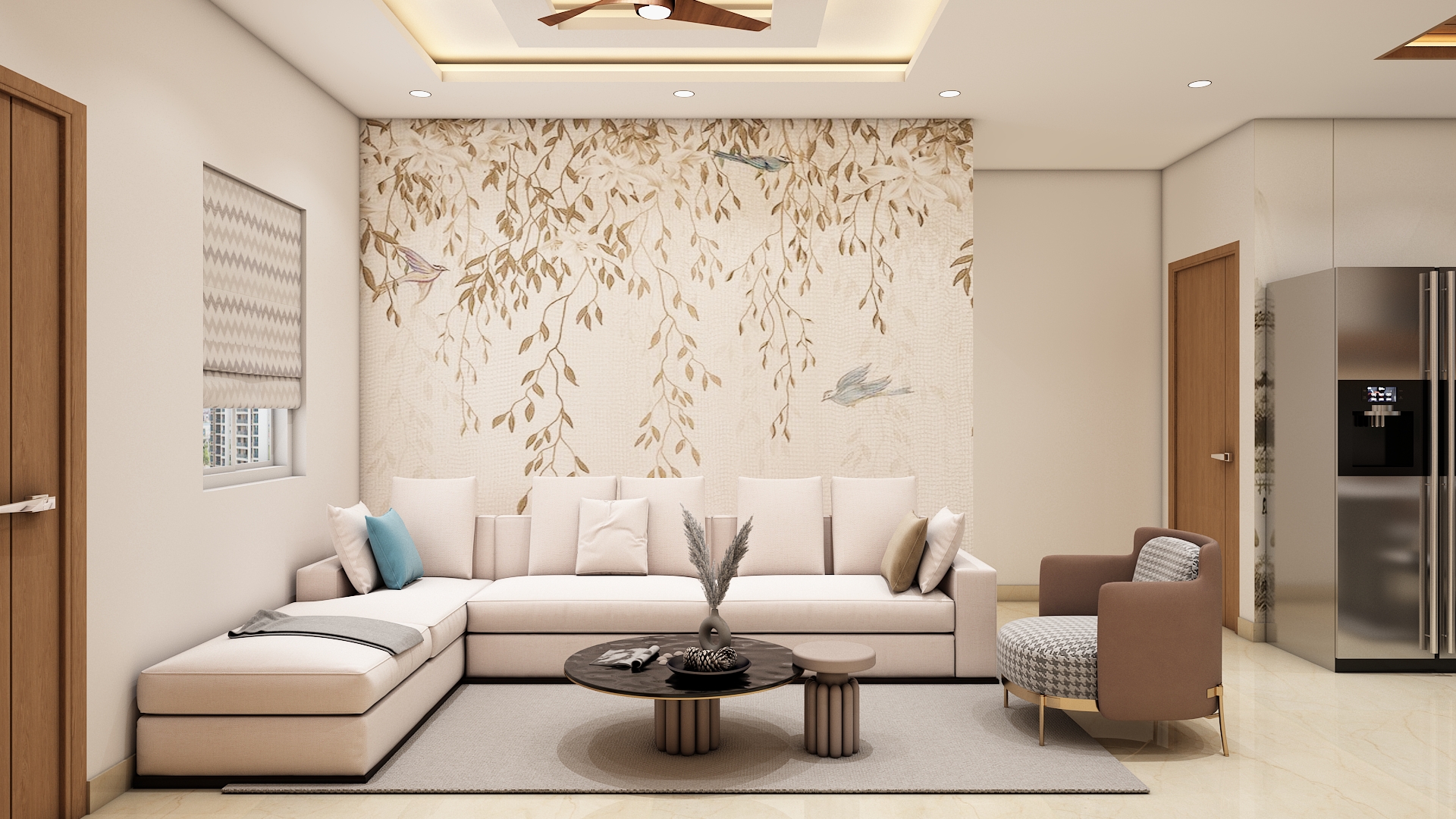
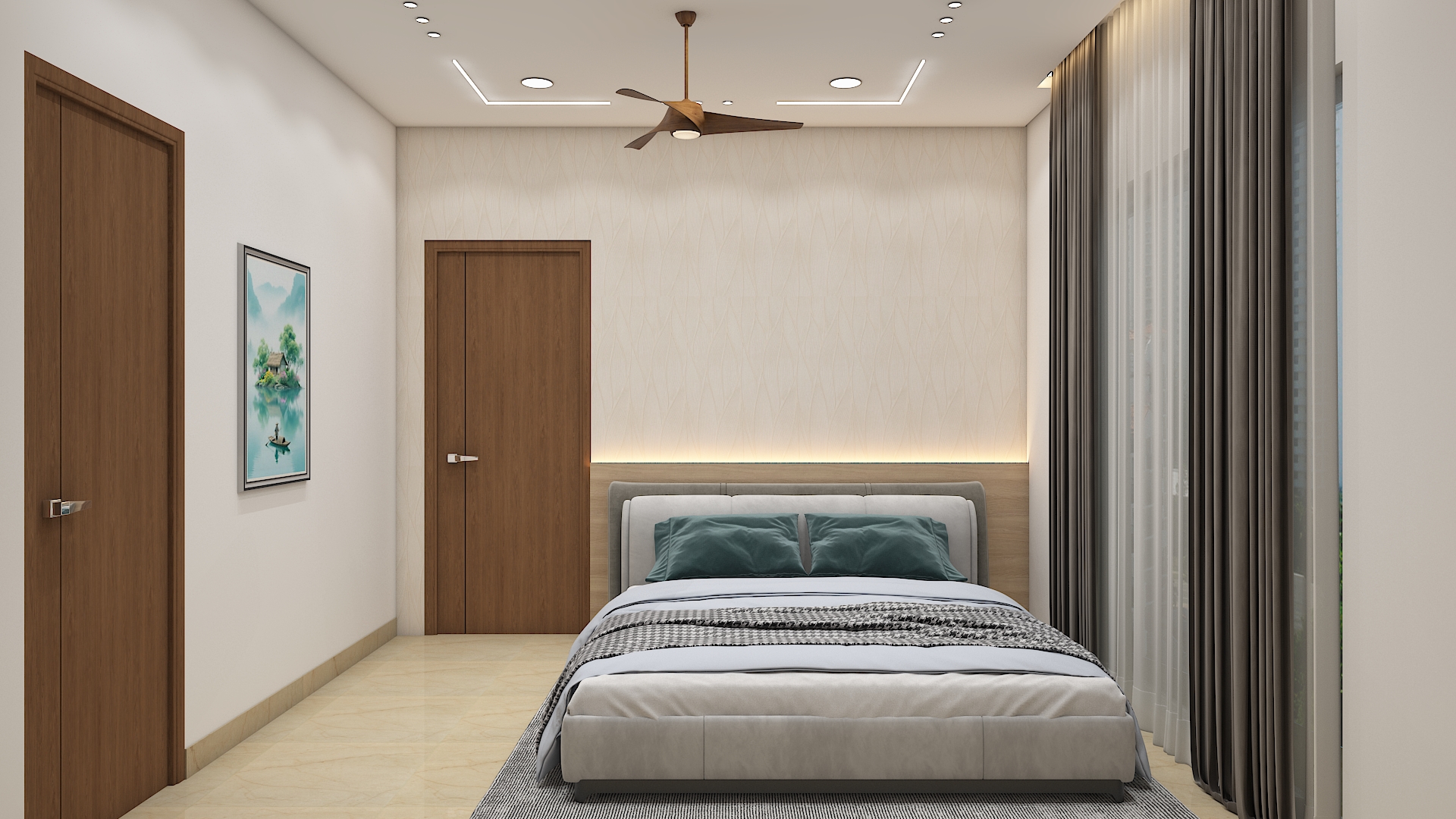 Aparna Kanopy Yellow Bells Home Interior
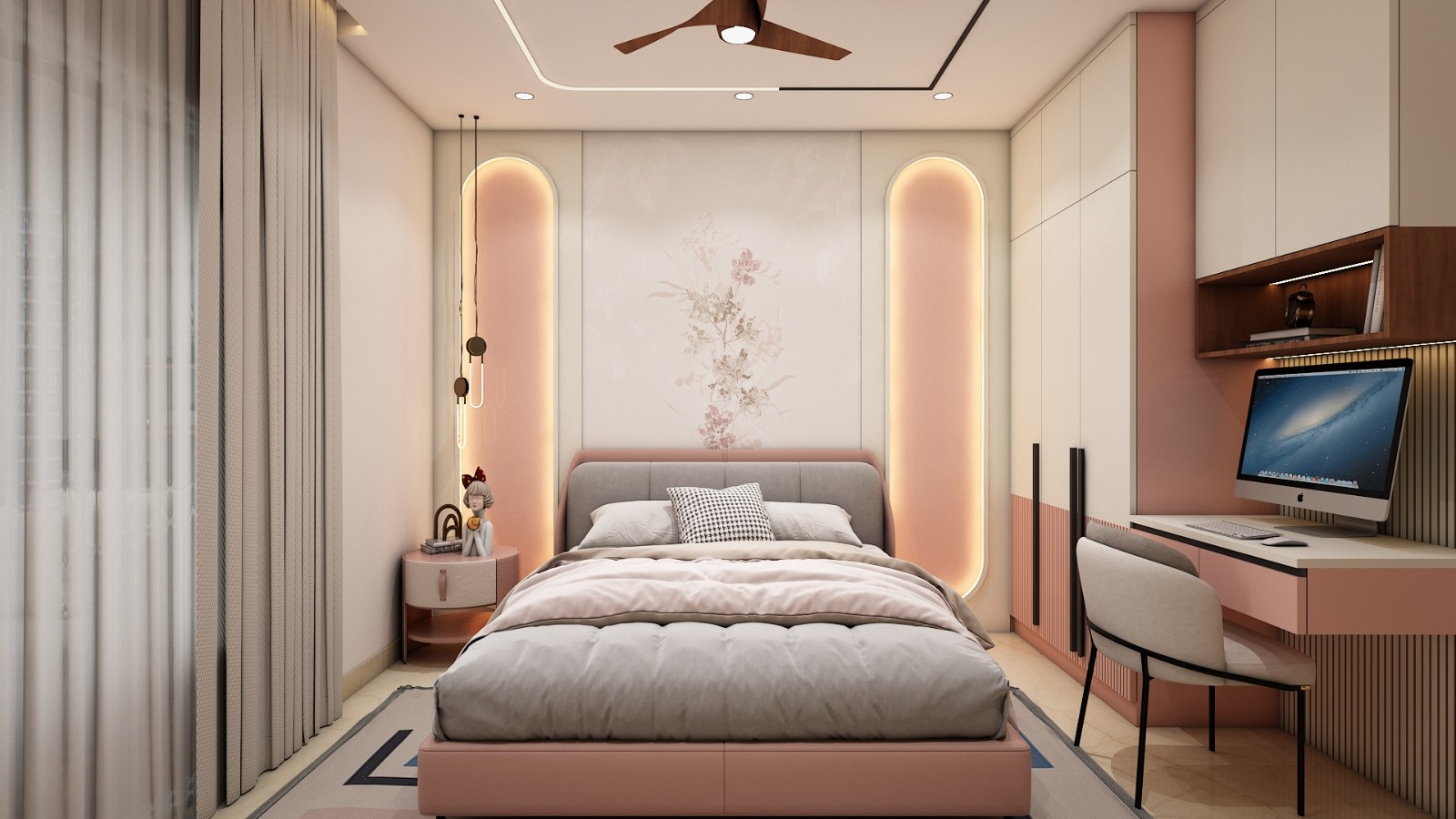
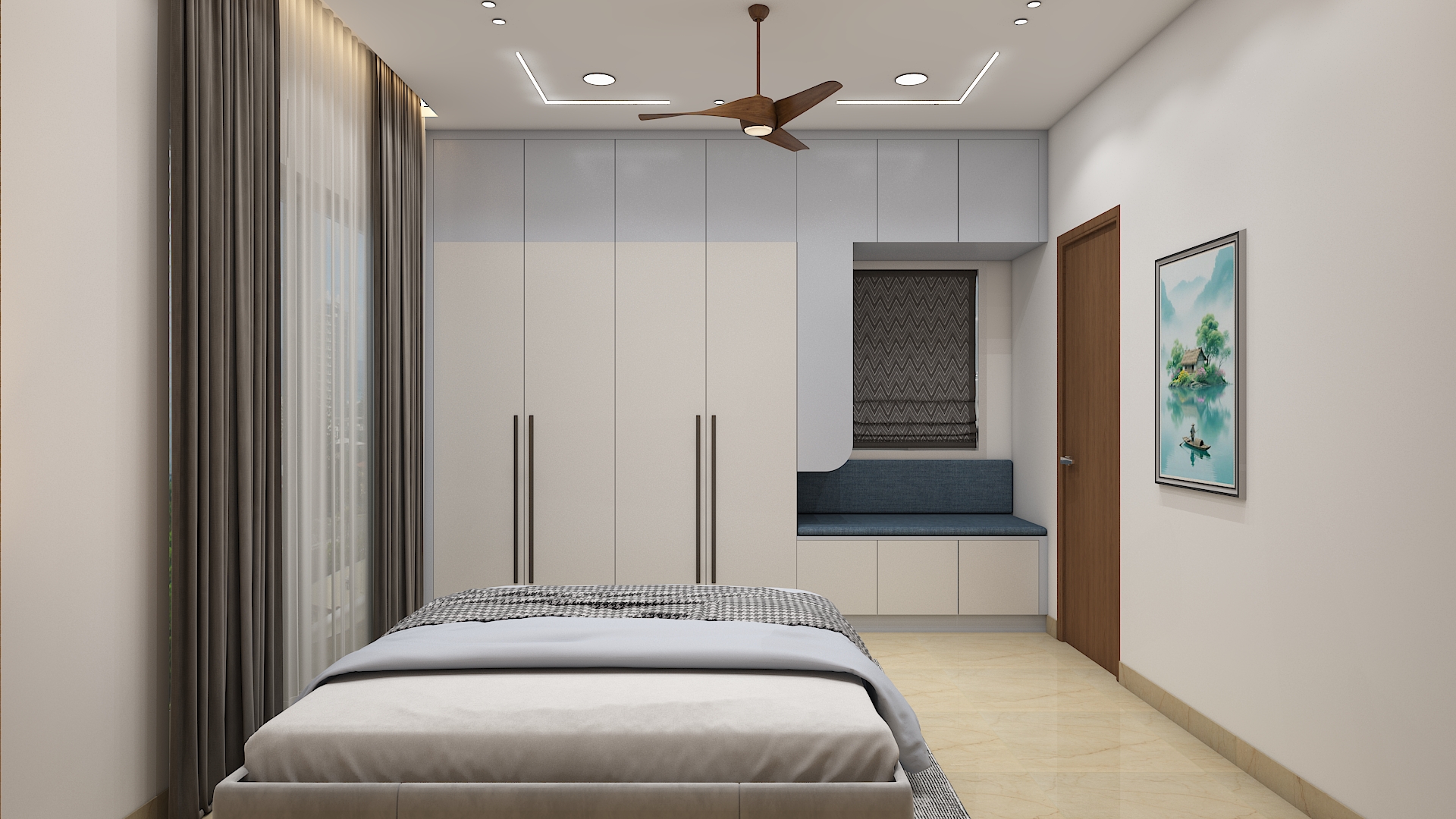 Aparna Kanopy Yellow Bells Home Interior
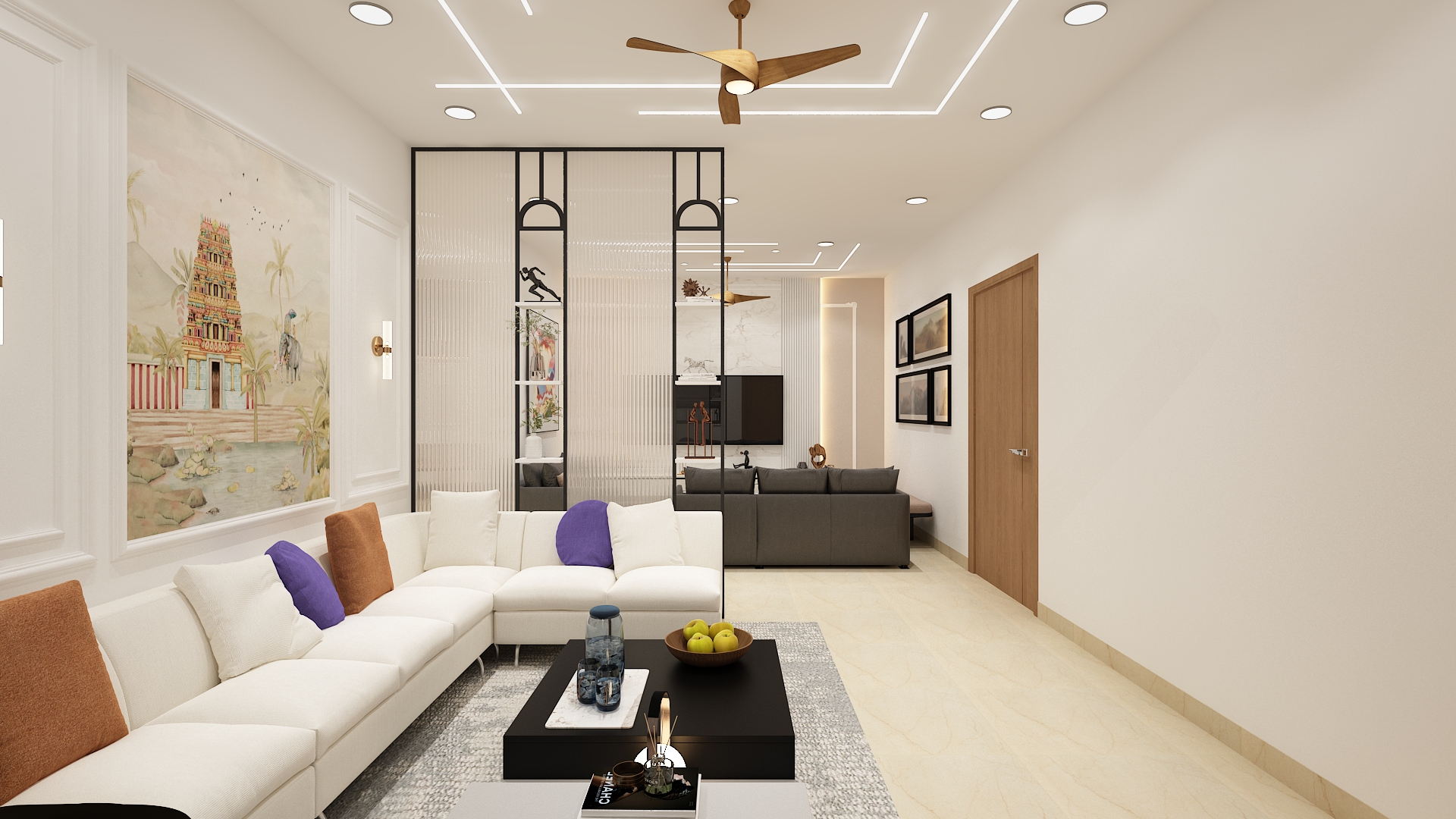
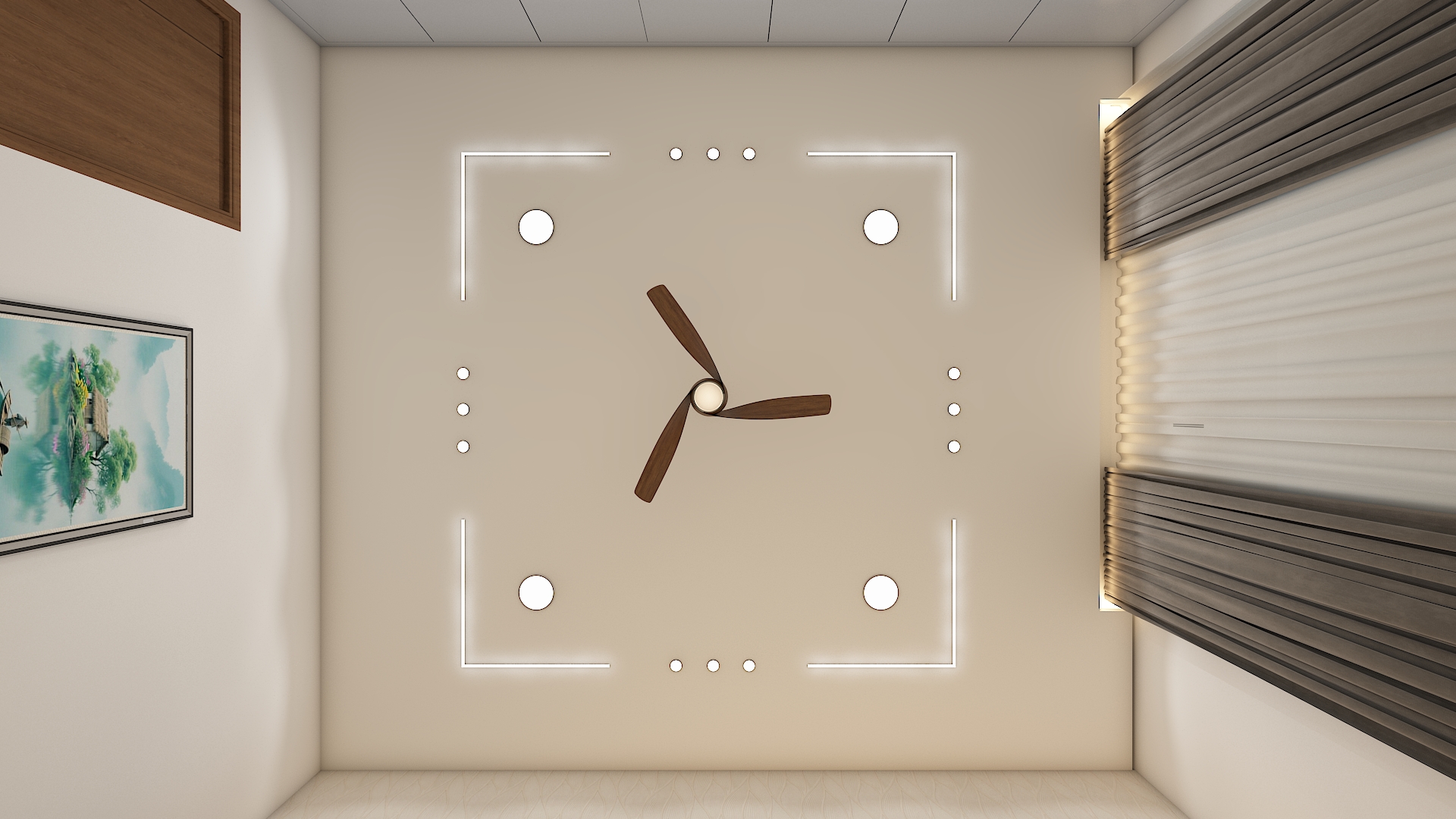 Aparna Kanopy Yellow Bells Home Interior
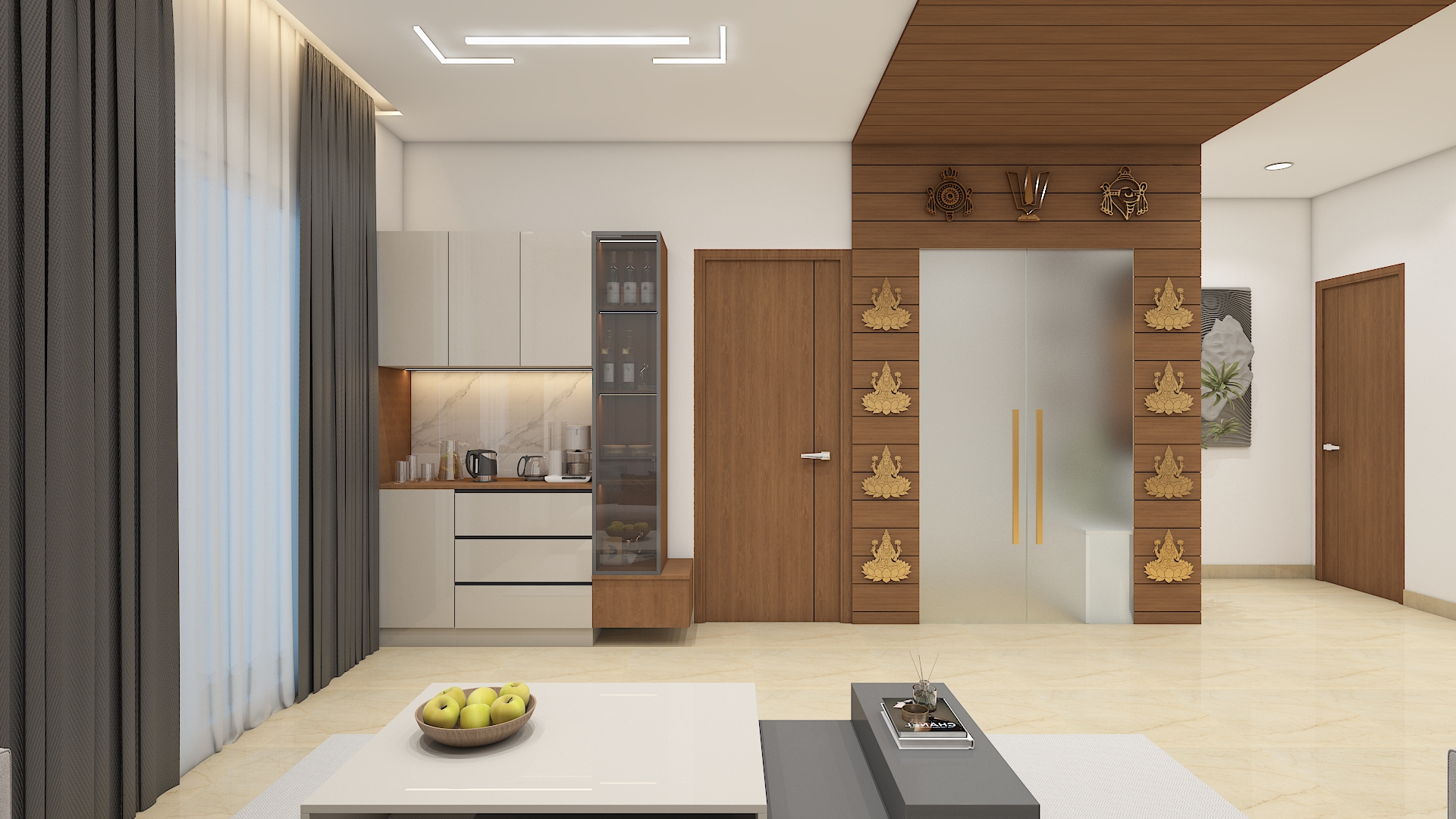 Aparna Kanopy Yellow Bells Home Interior
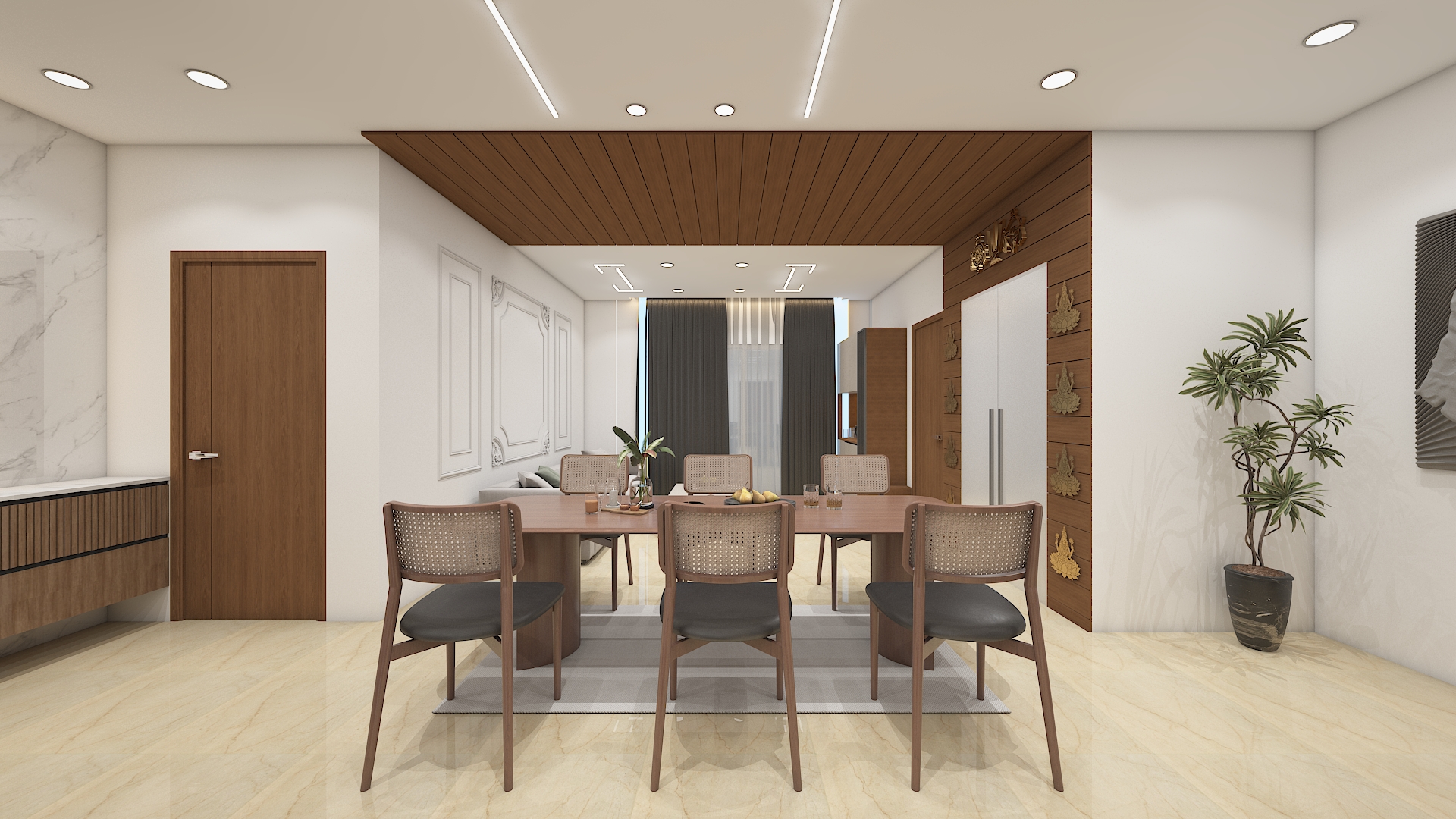 Aparna Kanopy Yellow Bells Home Interior
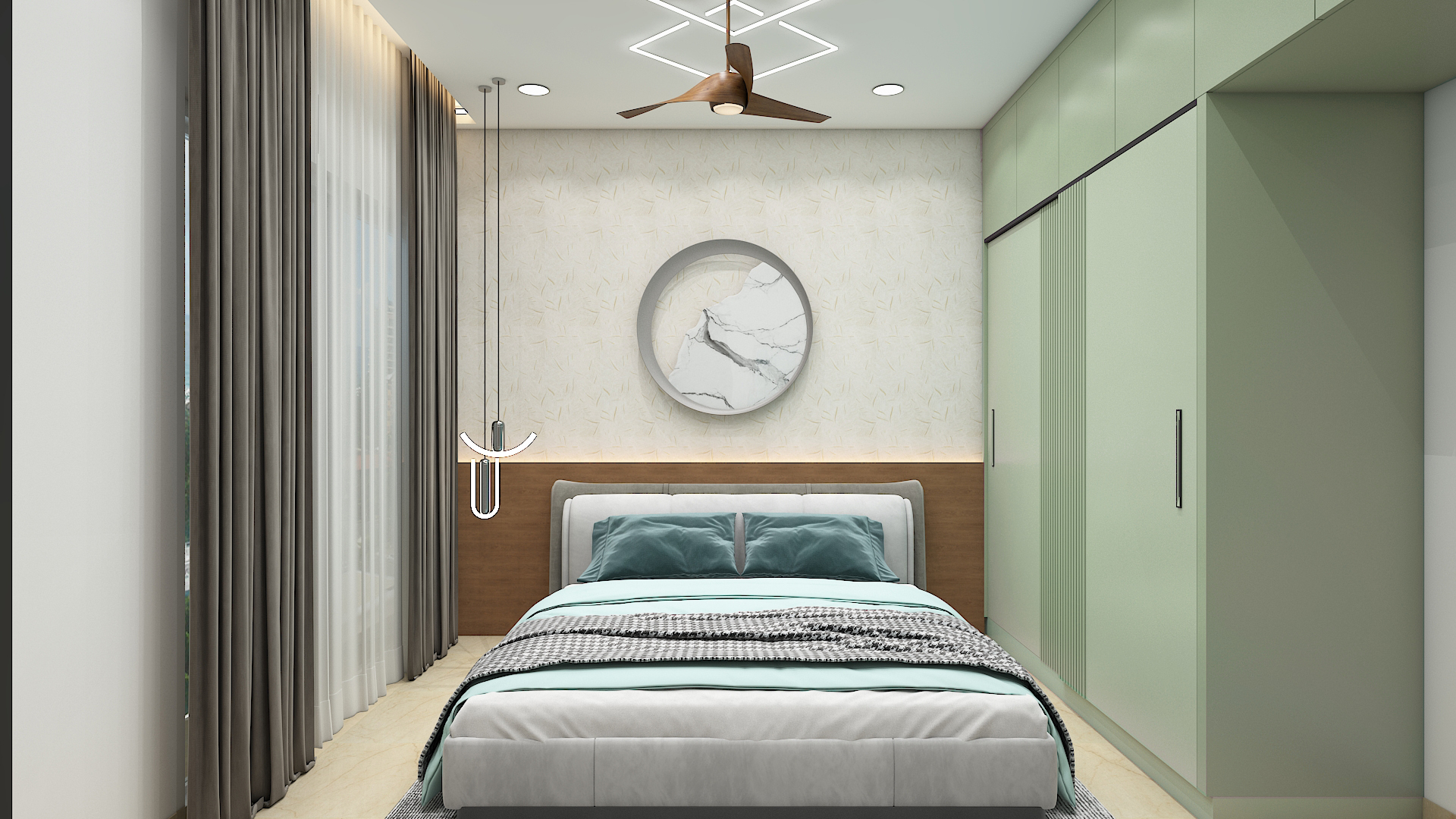 Aparna Kanopy Yellow Bells Home Interior
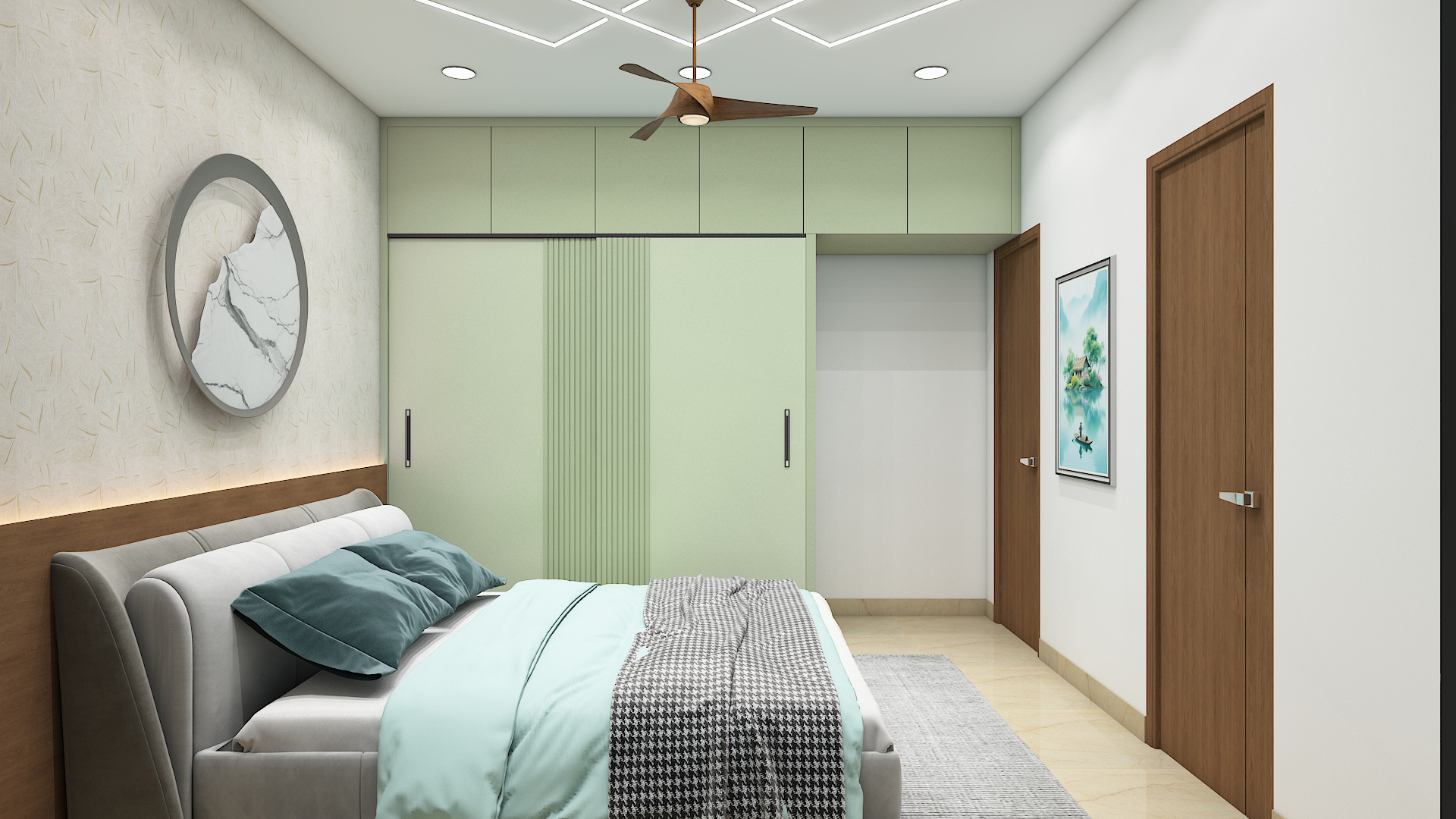 Aparna Kanopy Yellow Bells Home Interior
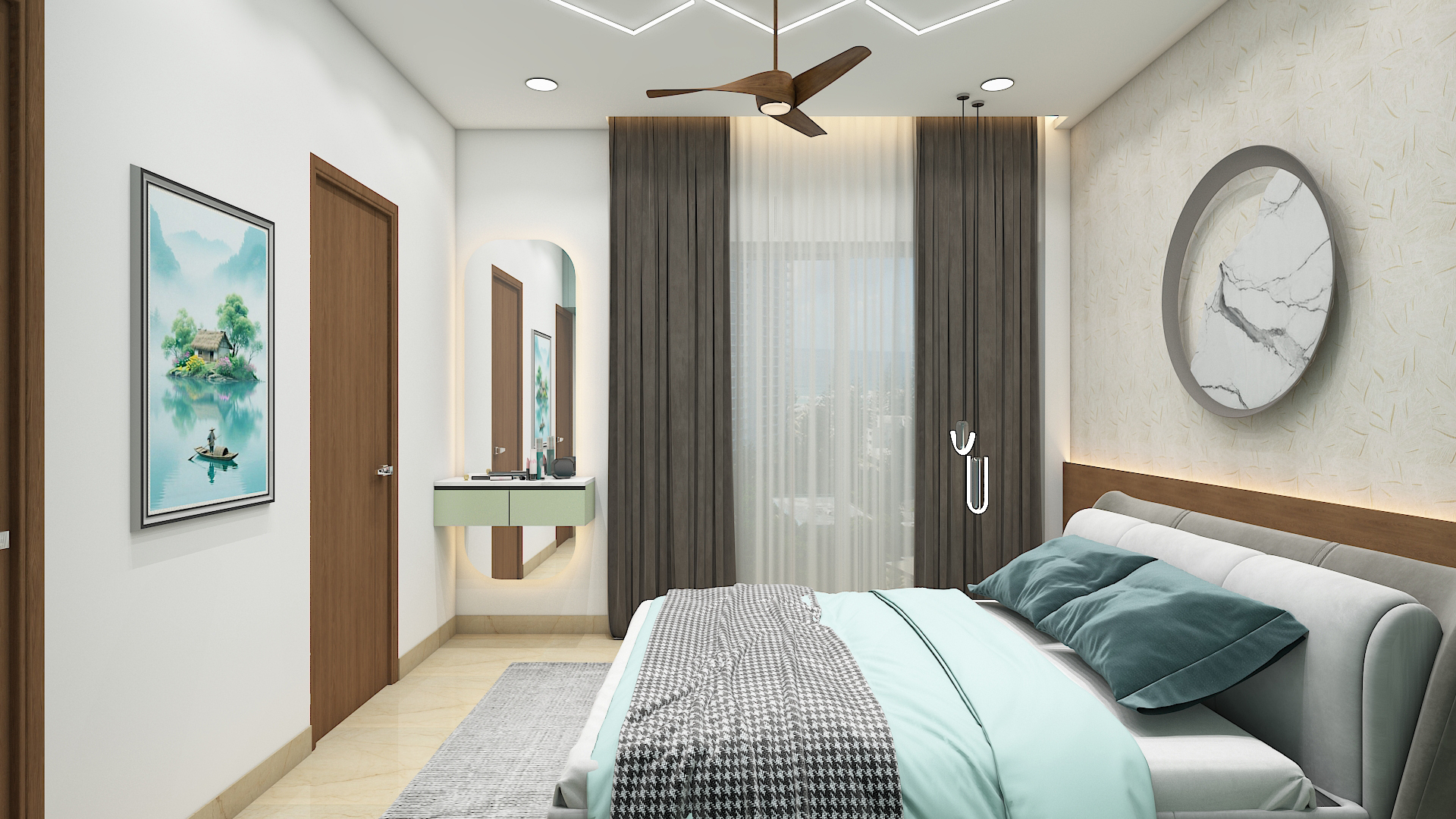 Aparna Kanopy Yellow Bells Home Interior
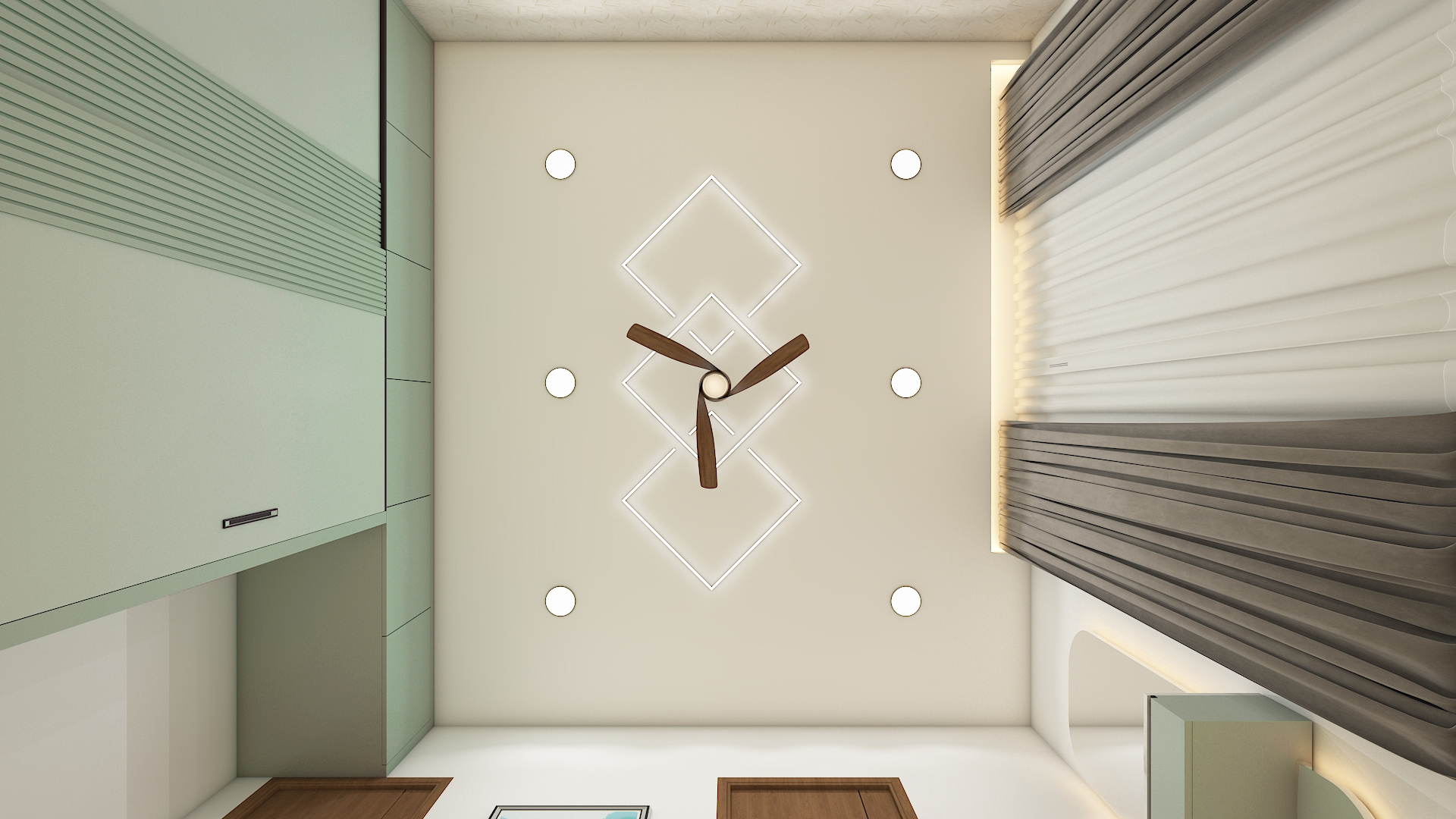 Aparna Kanopy Yellow Bells Home Interior
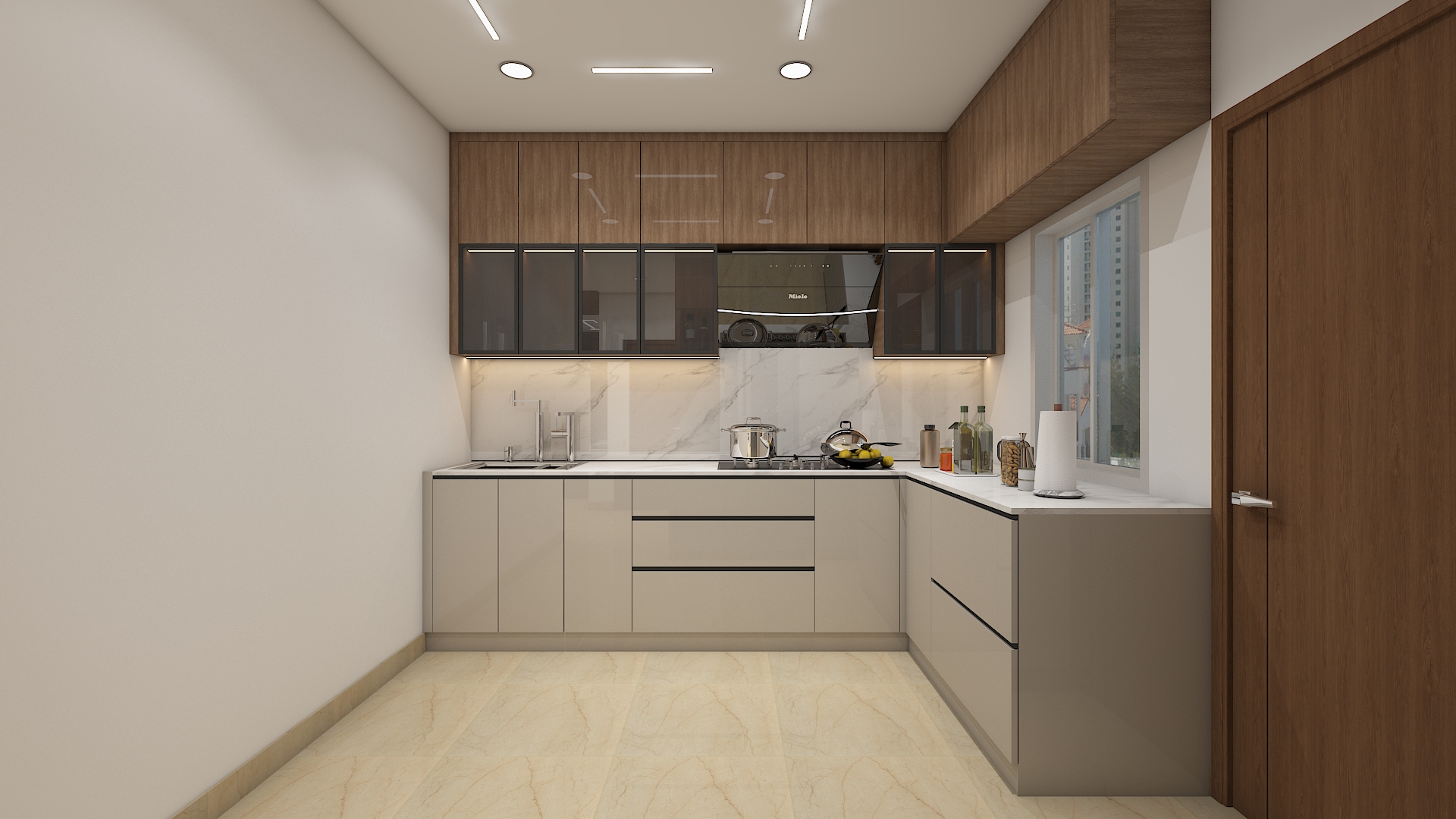 Aparna Kanopy Yellow Bells Home Interior
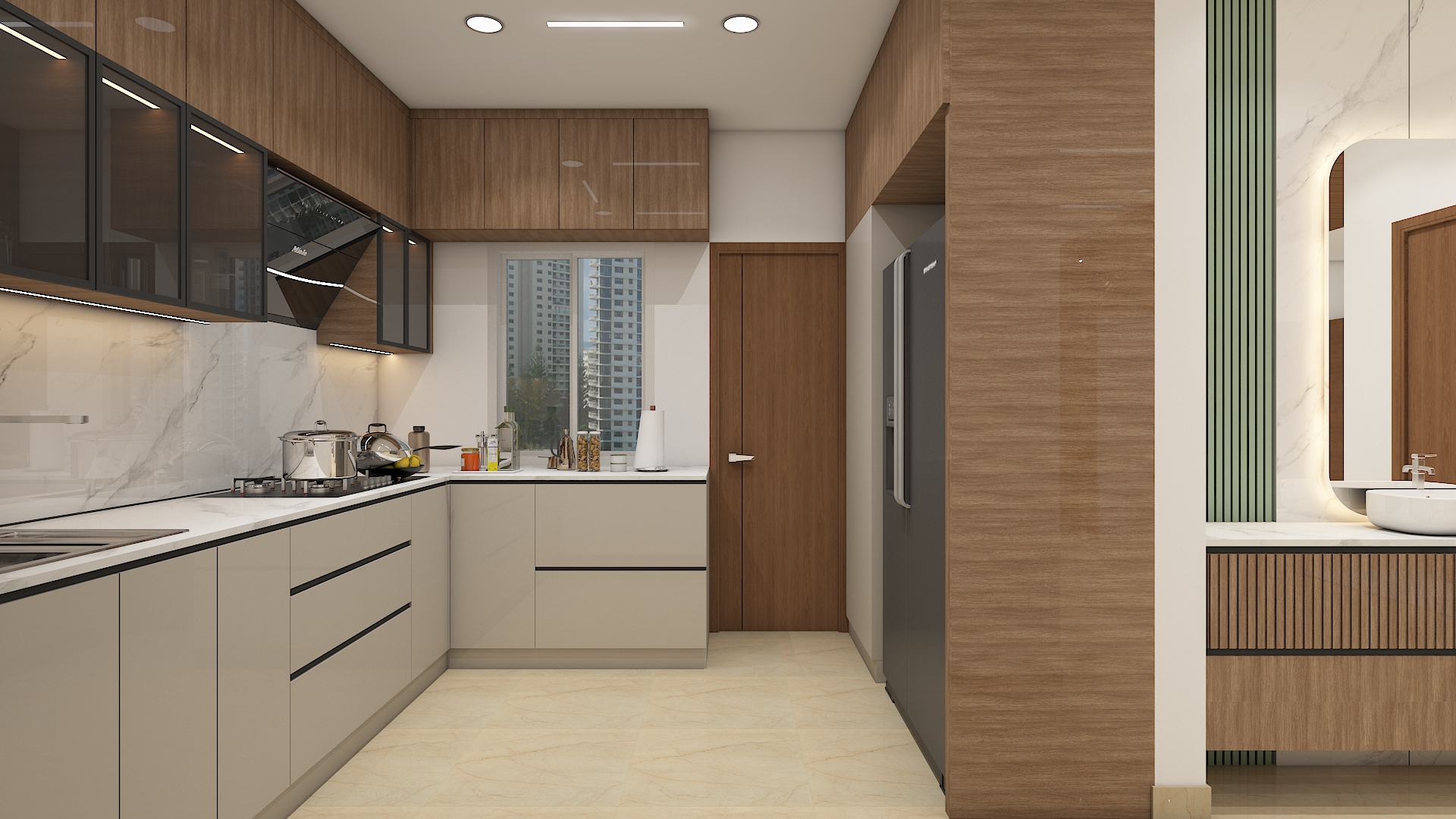 Aparna Kanopy Yellow Bells Home Interior
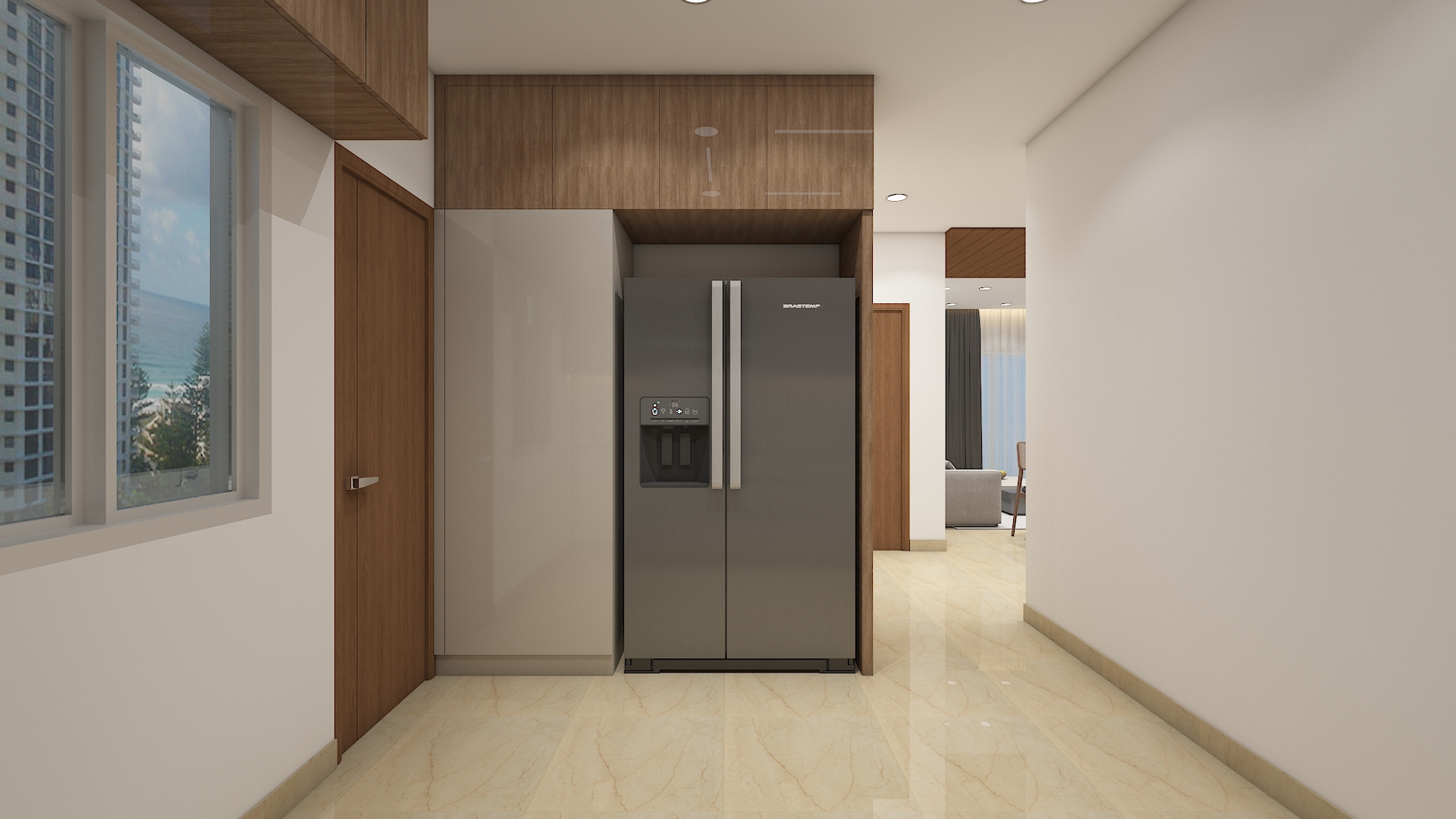 Aparna Kanopy Yellow Bells Home Interior




.png)