A pooja mandir is an important corner in many Indian households. In modern apartments and independent houses, space is often limited, so placing the mandir correctly helps maintain comfort, accessibility, and a peaceful atmosphere. This article explains the practical aspects of pooja mandir facing, along with the commonly followed directional guidelines.The aim is to help homeowners choose a placement that fits their layout without causing disruption to daily movement or storage.morning
The facing direction of a pooja mandir affects:
- How comfortably a person can sit or stand during prayer
- Whether sunlight reaches the area
- How much disturbance the space receives
- The ease of maintenance, cleaning, and lamp safety
- In apartments, a good placement also reduces clutter and avoids blocking circulation.
Most Practical Facing Directions
1. East-Facing Prayer
- In many Indian homes, people prefer to sit or stand facing East while praying.
- This direction receives early morning light and feels calm for daily puja.
2. North-Facing Prayer
- North-facing prayer is also commonly accepted.
- It works well in compact spaces where placing the mandir toward the East is difficult.
- Both directions are easy to adapt in modern homes because they usually align with wall space near the living room or a spare corner of a bedroom.
- Ideal Placement of the Mandir (Based on Home Layout)
- Every home layout is different. The final placement should consider:
1. Wall Space Availability
- Choose a wall that is:
- Not directly behind a toilet
- Away from heavy foot traffic
- Free from electrical panels
- This keeps the pooja corner calm and undisturbed.
2. Corner Visibility
- Many homeowners place the mandir:
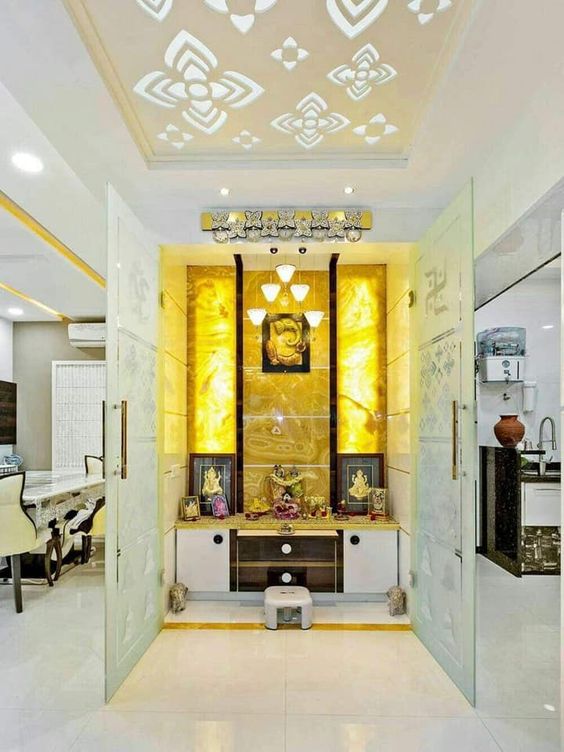
- In the living room
- At the end of a hallway
- In a dedicated small niche near the dining area
- These areas offer better movement space and natural light.
3. Small Apartments
- In smaller homes, a wall-mounted mandir works well near the dining area or living room.
- It keeps the space organized and leaves the floor clear.
- Direction of the Mandir Unit
If possible:
- Place the mandir so that idols face West or North
- This allows the person praying to face East or North
- This is a simple and widely followed guideline in many Indian homes.
- Important Practical Considerations
1. Avoid High Heat and Moisture Areas
- Do not place the mandir:
- Next to the kitchen stove
- Close to the bathroom door
- Near washing areas
- Moisture, steam, and smoke can affect the wooden unit and the idols.
2. Maintain Safe Distance for Diyas
- If you use diyas or incense:
- Keep 6–8 inches clearance above the unit
- Avoid placing the mandir under a low-height cabinet
- Use a small metal or glass plate for diya safety
- This prevents soot marks and reduces fire risk.
3. Proper Storage
A pooja unit usually needs space for:
- Matchbox and incense
- Camphor
- Bell
- Kumkum, oil, and other items
- Choose a design with 1–2 small drawers to keep the area tidy.
Common Placements That Work Well
- Living Room Corner
- Simple to maintain and easy for daily access.
- Bedroom Niche
- Works when space is limited and movement is minimal.
- Dedicated Pooja Room (Independent Houses)
- If the house has extra space, this offers privacy and calmness.
- Partition Unit in Dining Area
- Useful for apartments with open layouts.
What to Avoid
- Placing idols facing the main door
- Keeping the unit inside a bedroom wardrobe
- Positioning the mandir right above or below plumbing lines
- Using very dark corners without ventilation
- These placements often cause inconvenience in daily use.
- Simple Checklist for Homeowners
Before finalising your pooja mandir facing, check:
- Comfortable standing or sitting space
- Adequate natural light or soft artificial lighting
- Sufficient storage for puja items
- Safe area for diyas
- Direction allows East- or North-facing prayer
Conclusion
Pooja mandir facing should balance practicality, privacy, and comfort. While East and North-facing prayer is widely preferred, the final decision depends on the layout of your home, available wall space, and how often the mandir will be used.
A well-planned pooja corner becomes a peaceful part of the house and blends smoothly with the overall interior design.
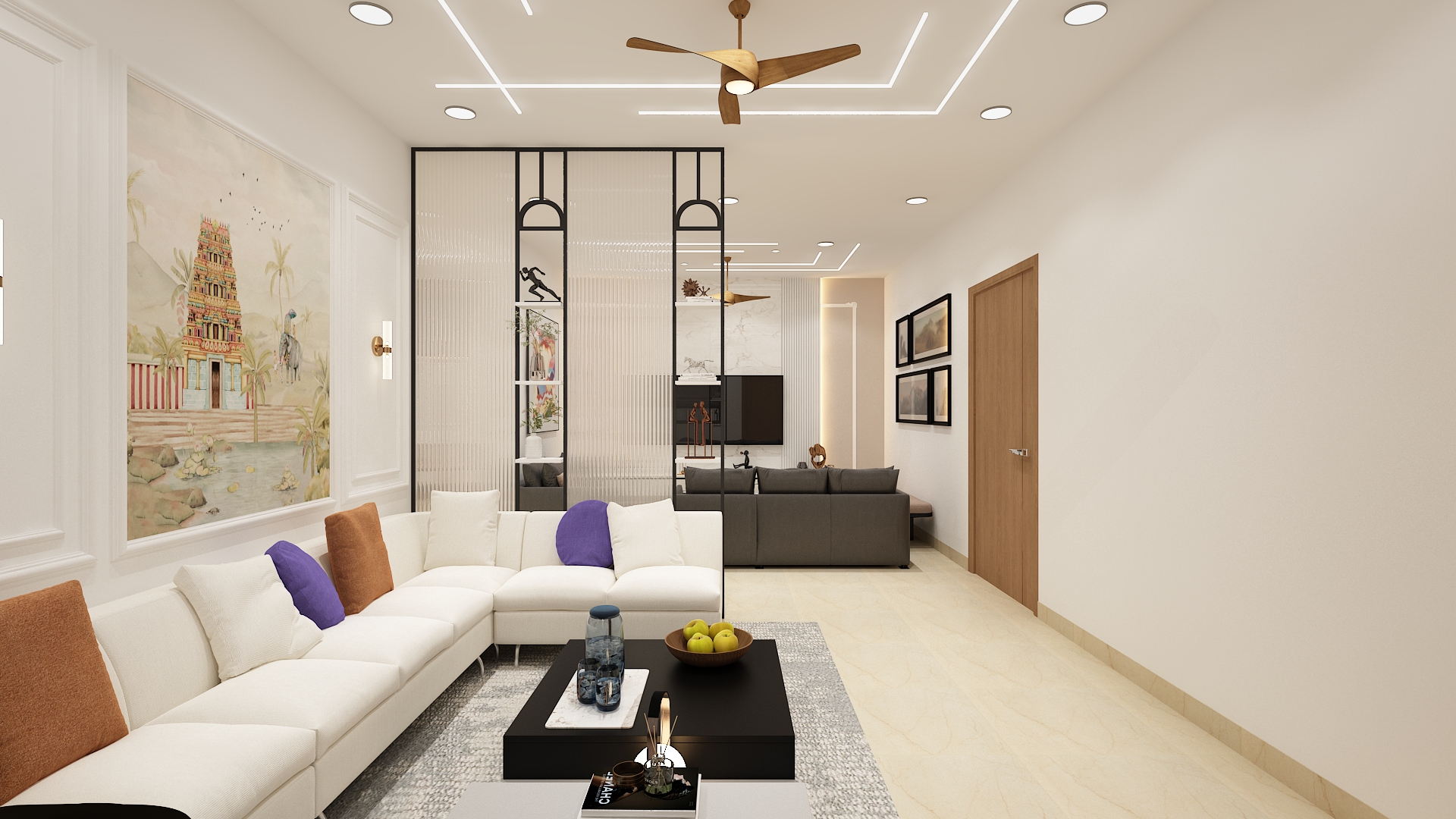
 Aparna Kanopy Yellow Bells Home Interior
 Aparna Kanopy Yellow Bells Home Interior
 Aparna Kanopy Yellow Bells Home Interior
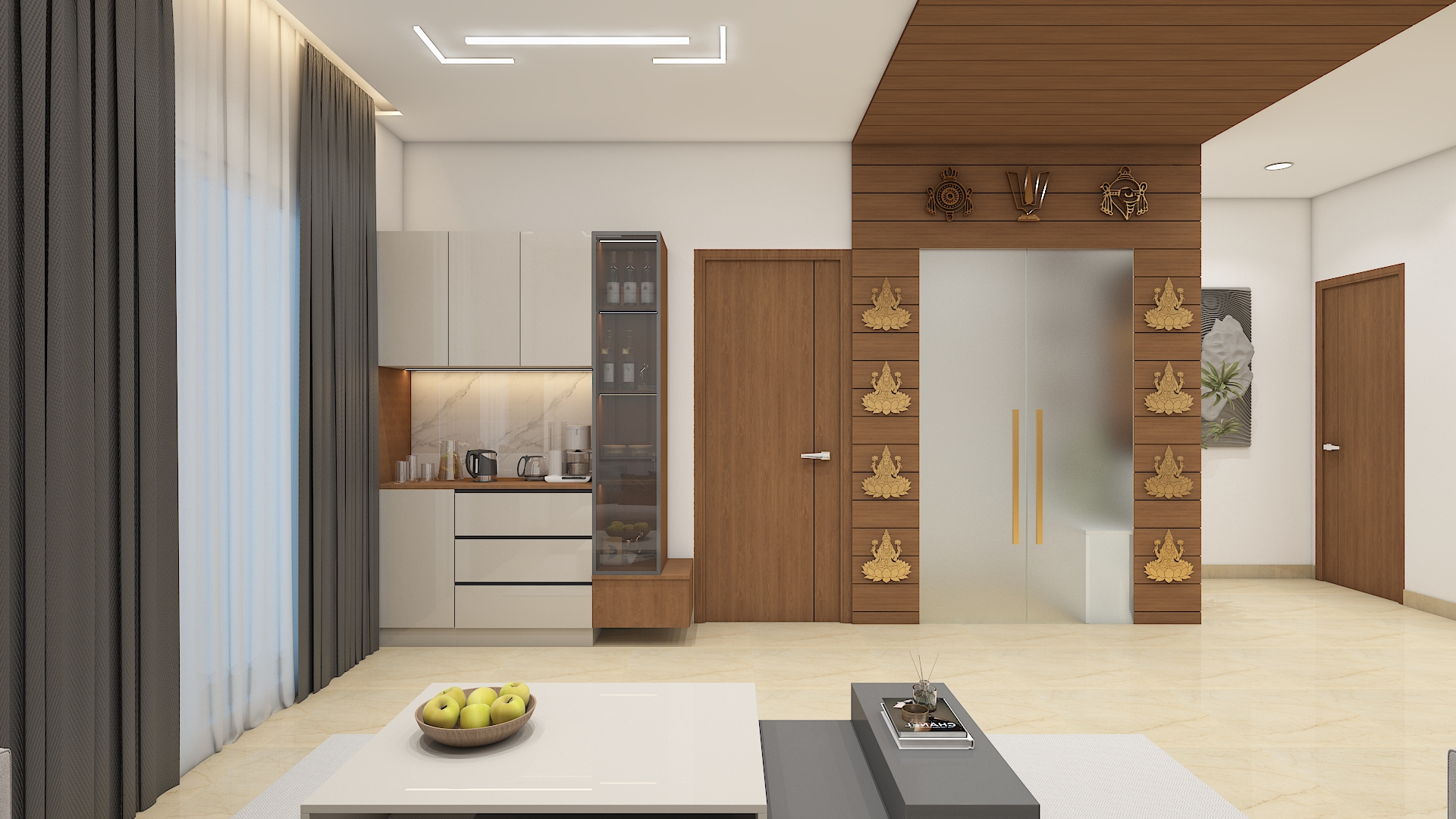 Aparna Kanopy Yellow Bells Home Interior
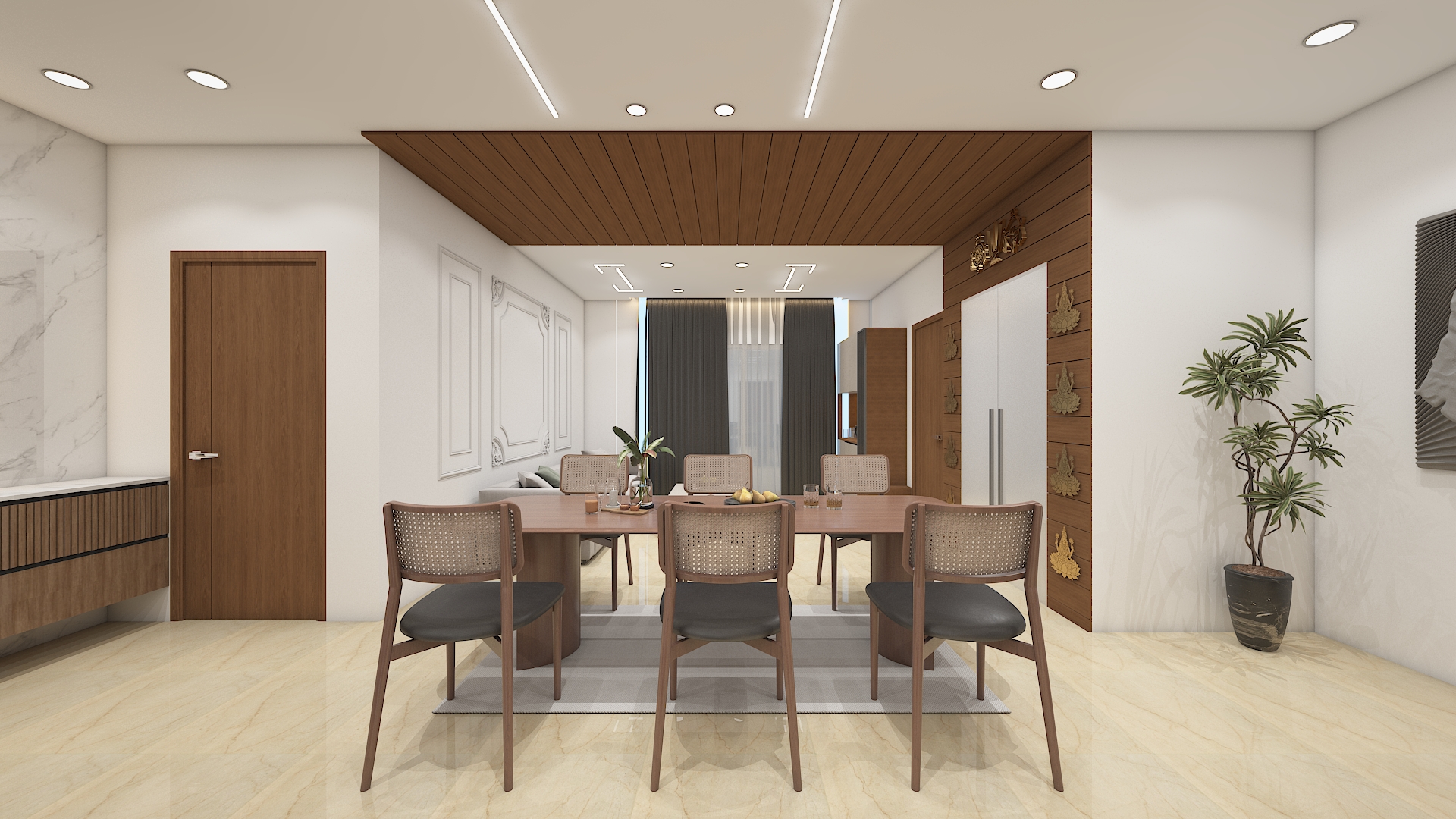 Aparna Kanopy Yellow Bells Home Interior
 Aparna Kanopy Yellow Bells Home Interior
 Aparna Kanopy Yellow Bells Home Interior
 Aparna Kanopy Yellow Bells Home Interior
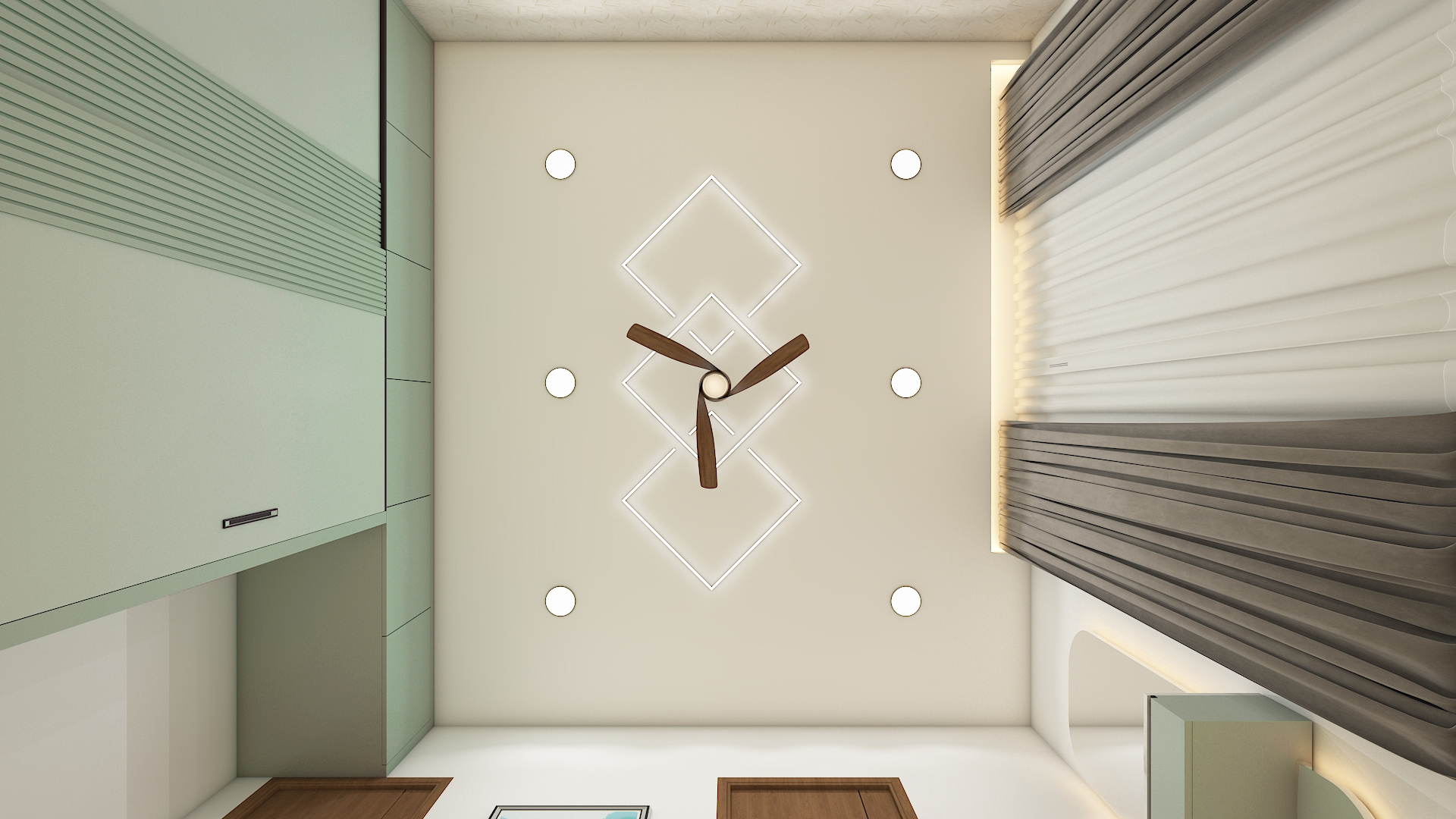 Aparna Kanopy Yellow Bells Home Interior
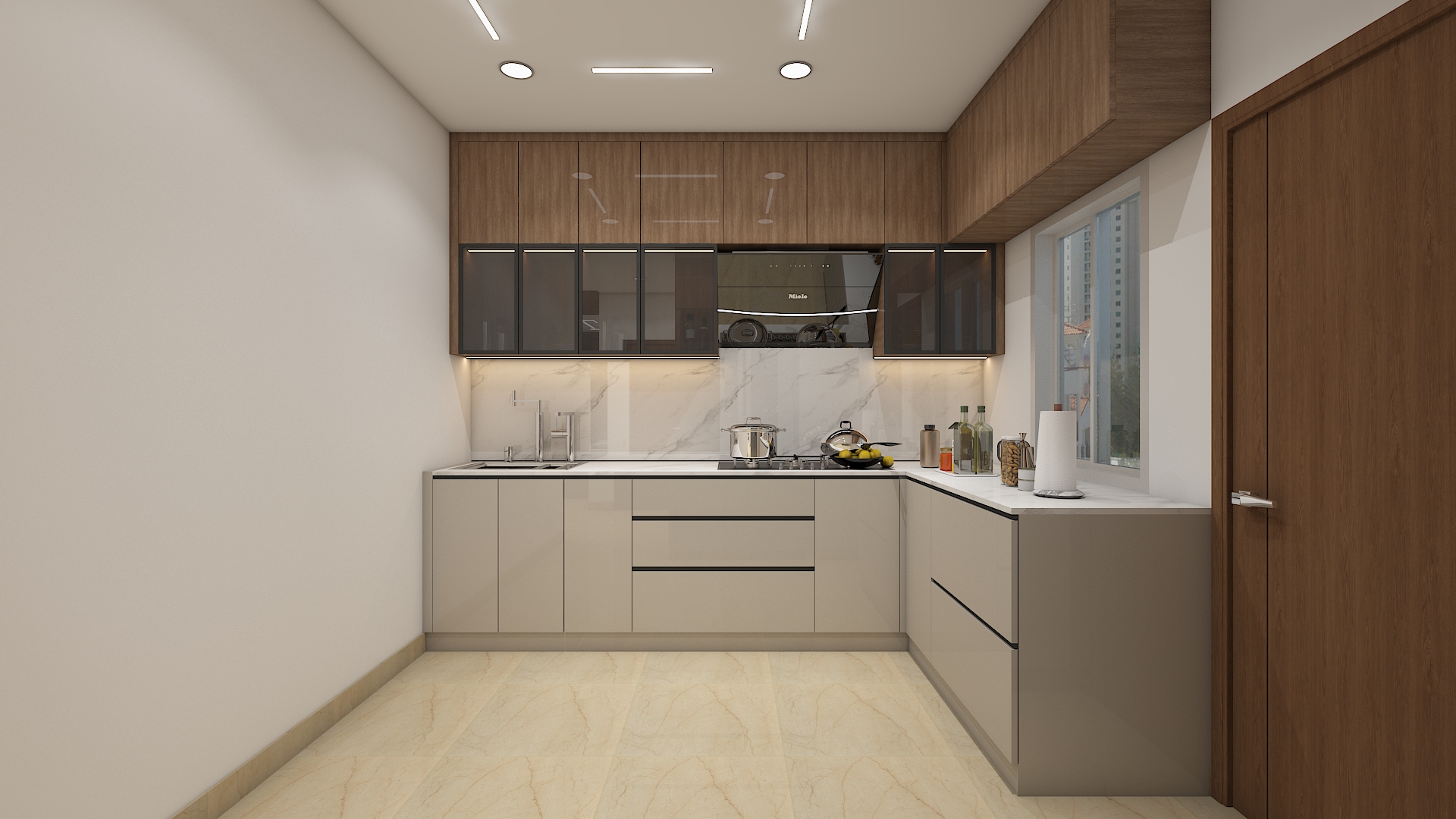 Aparna Kanopy Yellow Bells Home Interior
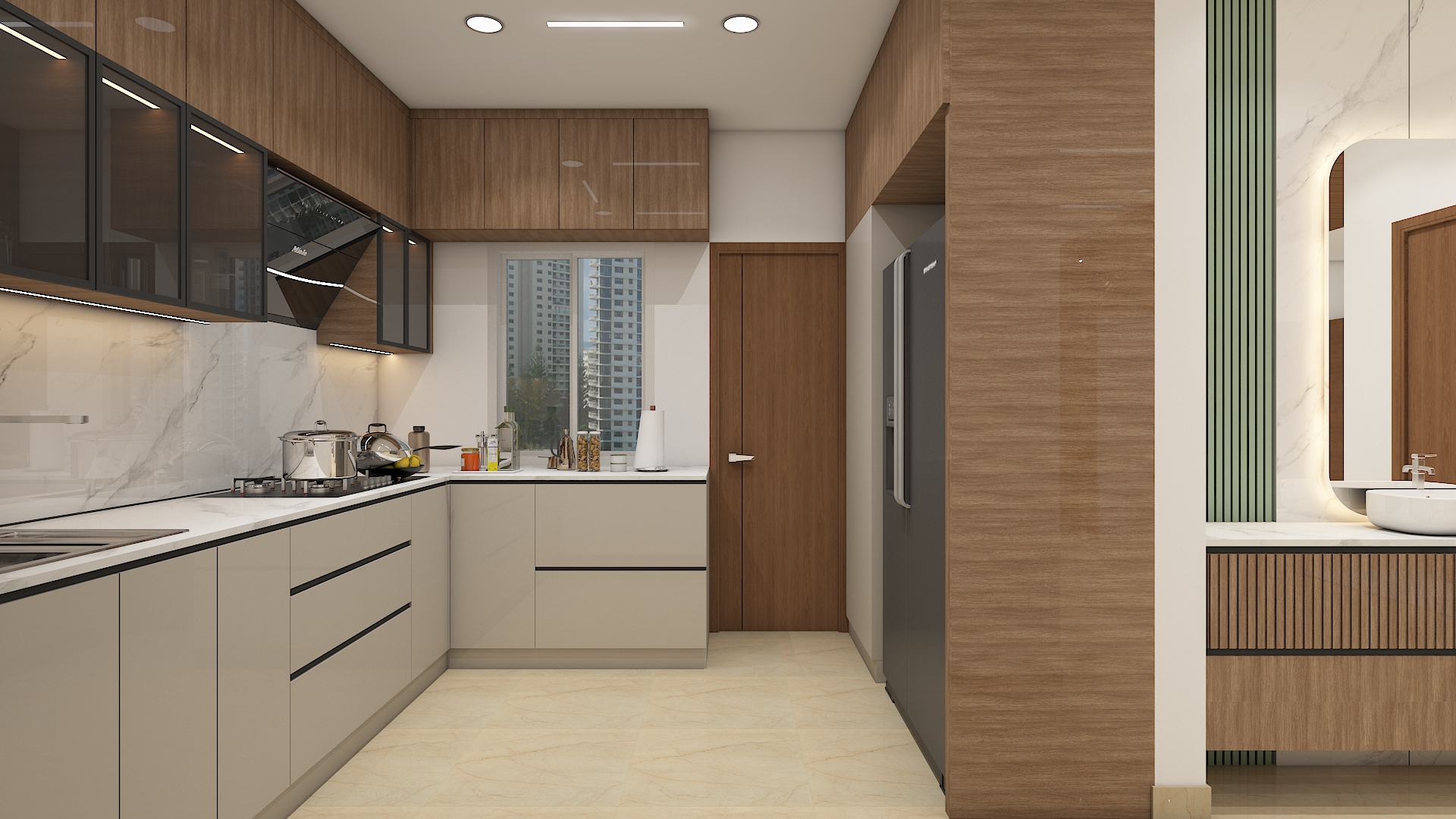 Aparna Kanopy Yellow Bells Home Interior
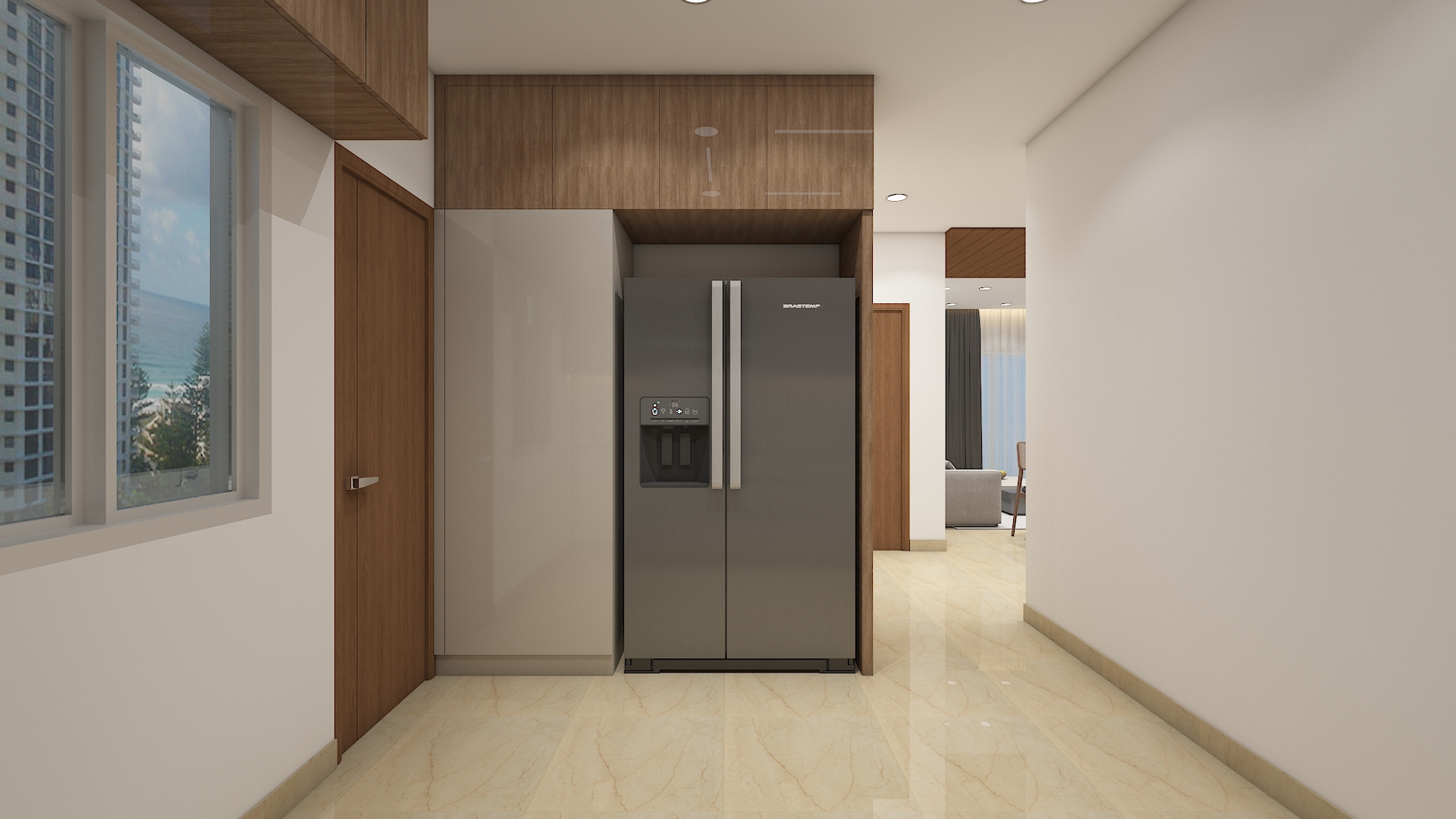 Aparna Kanopy Yellow Bells Home Interior




.png)