


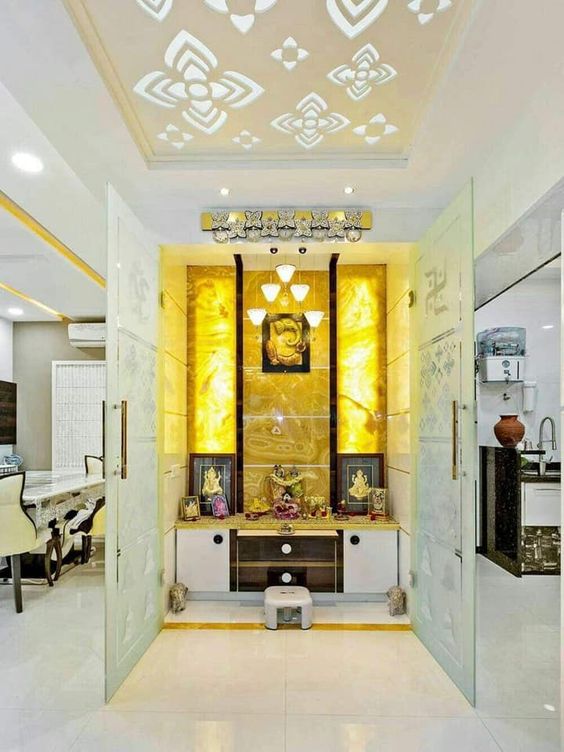
Pooja Mandir Facing: Practical Guidance for Indian Homes A pooja mandir is an important corner in many Indian households. In modern apartments and independent houses, space is often limited, so placing the mandir correctly he
A pooja mandir is an important corner in many Indian households. In modern apartments and independent houses, space is often limited, so placing the mandir correctly helps maintain comfort, accessibility, and a peaceful atmosphere. This article explains the practical aspects of pooja mandir facing, along with the commonly followed directional guidelines.The aim is to help homeowners choose a placement that fits their layout without causing disruption to daily movement or storage.morning
The facing direction of a pooja mandir affects:
- How comfortably a person can sit or stand during prayer
- Whether sunlight reaches the area
- How much disturbance the space receives
- The ease of maintenance, cleaning, and lamp safety
- In apartments, a good placement also reduces clutter and avoids blocking circulation.
Most Practical Facing Directions
1. East-Facing Prayer
- In many Indian homes, people prefer to sit or stand facing East while praying.
- This direction receives early morning light and feels calm for daily puja.
2. North-Facing Prayer
- North-facing prayer is also commonly accepted.
- It works well in compact spaces where placing the mandir toward the East is difficult.
- Both directions are easy to adapt in modern homes because they usually align with wall space near the living room or a spare corner of a bedroom.
- Ideal Placement of the Mandir (Based on Home Layout)
- Every home layout is different. The final placement should consider:
1. Wall Space Availability
- Choose a wall that is:
- Not directly behind a toilet
- Away from heavy foot traffic
- Free from electrical panels
- This keeps the pooja corner calm and undisturbed.
2. Corner Visibility
- Many homeowners place the mandir:
- In the living room
- At the end of a hallway
- In a dedicated small niche near the dining area
- These areas offer better movement space and natural light.
3. Small Apartments
- In smaller homes, a wall-mounted mandir works well near the dining area or living room.
- It keeps the space organized and leaves the floor clear.
- Direction of the Mandir Unit
If possible:
- Place the mandir so that idols face West or North
- This allows the person praying to face East or North
- This is a simple and widely followed guideline in many Indian homes.
- Important Practical Considerations
1. Avoid High Heat and Moisture Areas
- Do not place the mandir:
- Next to the kitchen stove
- Close to the bathroom door
- Near washing areas
- Moisture, steam, and smoke can affect the wooden unit and the idols.
2. Maintain Safe Distance for Diyas
- If you use diyas or incense:
- Keep 6–8 inches clearance above the unit
- Avoid placing the mandir under a low-height cabinet
- Use a small metal or glass plate for diya safety
- This prevents soot marks and reduces fire risk.
3. Proper Storage
A pooja unit usually needs space for:
- Matchbox and incense
- Camphor
- Bell
- Kumkum, oil, and other items
- Choose a design with 1–2 small drawers to keep the area tidy.
Common Placements That Work Well
- Living Room Corner
- Simple to maintain and easy for daily access.
- Bedroom Niche
- Works when space is limited and movement is minimal.
- Dedicated Pooja Room (Independent Houses)
- If the house has extra space, this offers privacy and calmness.
- Partition Unit in Dining Area
- Useful for apartments with open layouts.
What to Avoid
- Placing idols facing the main door
- Keeping the unit inside a bedroom wardrobe
- Positioning the mandir right above or below plumbing lines
- Using very dark corners without ventilation
- These placements often cause inconvenience in daily use.
- Simple Checklist for Homeowners
Before finalising your pooja mandir facing, check:
- Comfortable standing or sitting space
- Adequate natural light or soft artificial lighting
- Sufficient storage for puja items
- Safe area for diyas
- Direction allows East- or North-facing prayer
Conclusion
Pooja mandir facing should balance practicality, privacy, and comfort. While East and North-facing prayer is widely preferred, the final decision depends on the layout of your home, available wall space, and how often the mandir will be used.
A well-planned pooja corner becomes a peaceful part of the house and blends smoothly with the overall interior design.

