


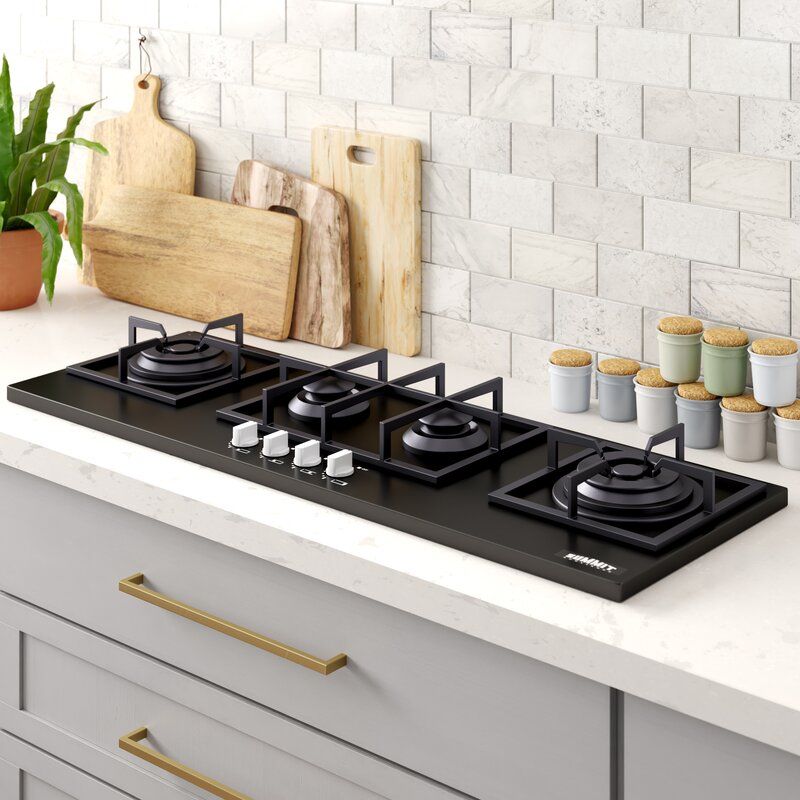
The ideal direction for placing the kitchen gas stove is the south-east corner, known as the Agni zone in Vastu. This placement supports smooth cooking, better health, and positive energy in the home. While cooking, the person should ideally face east. If the south-east is not possible, the north-west can be considered as a second option. Avoid placing the gas stove in the north-east, directly under a beam, or too close to the sink, as fire and water should not clash. Proper ventilation with a chimney or exhaust fan is essential for safety and comfort.
Why Kitchen Gas Facing Matters
A well-planned stove placement makes the kitchen safer and easier to use. It also helps manage smoke, heat, and movement within a compact space. Most Indian kitchens have limited counter length and are used heavily, so correct planning prevents long-term inconvenience.
Ideal Direction for Kitchen Gas Facing
1. Practical Direction (Based on Layout)
In real projects, the stove facing mainly depends on:
- The length of the countertop
- Position of the window
- Location of sink and fridge
- Gas pipeline or cylinder placement
- Chimney ducting route
- Most homeowners prefer the stove on the longest straight counter, usually on the East or South wall, allowing enough workspace on both sides.
2. According to Common Vastu Practice (Optional)
For those who follow Vastu:
- Cooking is ideally done facing East.
- The stove is often placed on the Southeast (Agni) corner.
- This aligns well with many practical layouts since the Southeast corner is usually easy to ventilate and supports chimney installation.
Important Practical Considerations
1. Safety Clearances
Maintain safe distances:
- At least 2 ft (24 inches) between stove and sink
- 15–18 inches between hob and overhead cabinets
- Minimum 2 ft of working counter space on either side of the stove in larger kitchens
These clearances reduce water splashes, smoke accumulation, and heat damage.
2. Chimney Placement
Stove placement should allow:
- Straight chimney ducting
- Short duct length (best under 6–8 ft)
- Minimal bends (maximum 2)
- This ensures good suction and keeps maintenance easy.
3. Ventilation
Hob placement should not block:
- The main kitchen window
- Fresh air flow
- Natural light
- Avoid installing the stove immediately below a window, as strong wind can disturb the flame and affect safety.
4. Workflow & Movement
- In most Indian kitchens, a simple working sequence helps:
- Fridge → Sink → Stove
- This reduces unnecessary movement during cooking. Placing the stove too close to the door or walkway can cause crowding and accidents.
Common Placement Patterns in Indian Homes
L-Shaped Kitchens
Stove is usually placed on the longer side of the L, allowing more counter and corner access.
Parallel (Galley) Kitchens
Stove is placed on one platform and the sink on the opposite platform to avoid clutter.
U-Shaped Kitchens
Stove is typically centered on the middle counter, giving equal working space on both sides.
What to Avoid
- Keeping the stove directly under a window
- Placing it too close to the kitchen entrance
- Positioning it next to the tall unit (oven/microwave tower)
- Installing a stove without enough counter space around it
- Creating long gas-pipeline routes across the kitchen
- These issues reduce safety and comfort.
Simple Checklist for Homeowners
Before finalising your kitchen hob or gas stove facing, ensure:
- Counter length is sufficient
- Chimney duct has a clear path
- Ventilation is adequate
- No clash with sink or tall units
- Cylinder or pipeline access is convenient
- You have at least one side free for regular chopping/prep work
Conclusion
Kitchen gas facing should balance practicality, safety, and comfort. While East-facing cooking is preferred by many, the final decision must fit your kitchen’s layout, ventilation options, and workflow. A well-planned stove placement makes everyday cooking smoother and keeps the kitchen safe for long-term use.

