


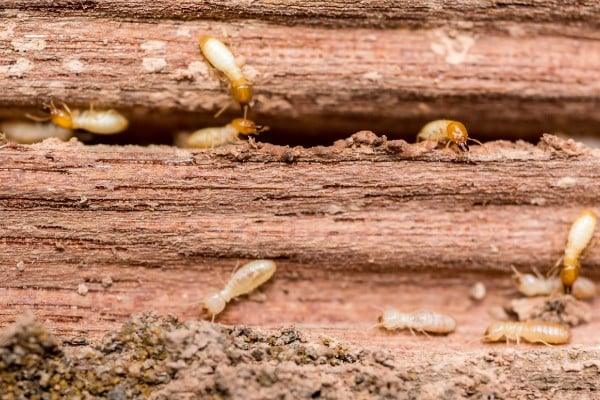
Choosing the right wood is one of the simplest and most effective ways to prevent termites and borers in furniture. In many Indian homes, moisture levels, poor ventilation, and older construction create favourable conditions for pest activity. Once termites enter a wardrobe or kitchen cabinet, repairs become expensive and often require replacing the affected portions.
Why Pest-Resistant Wood Matters
Furniture made with softer or untreated wood absorbs moisture easily and attracts pests. Termites attack wood from inside, so damage is noticed only after the structure becomes weak. Using naturally resistant hardwoods or well-treated engineered boards reduces the chance of infestation and increases the lifespan of the furniture.
1. Teak Wood (Sagwan)
Teak is one of the most dependable choices for long-lasting, termite-resistant furniture.
Why Teak Resists Pests
- Contains natural oils that repel termites
- Dense grain structure makes it difficult for pests to tunnel
- Stays stable in humidity, reducing cracks where insects enter
Where It Works Best
- Beds, wardrobes, main doors, solid wood cabinets, pooja units.
- Cost depends on grade and place of origin. Even mid-range Indian teak performs well when seasoned properly.
2. Sheesham Wood (Indian Rosewood)
- Sheesham is a strong hardwood used widely in Indian furniture.
- Dense fibres make the wood less attractive to borers
- Naturally stronger than many other locally available woods
- Hard surface limits moisture absorption
Where It Works Best
- Dining sets, storage cabinets, cots, bookshelves.
- Needs occasional oiling to maintain durability.
3. Sal Wood
- Sal is traditionally used in construction but also works well for heavy furniture.
- Very hard and coarse structure prevents termite entry
- Naturally resistant to moisture and fungal growth
- Long lifespan even in humid climates
Where It Works Best
- Door frames, bed frames, heavy tables.
- Not ideal for detailed or decorative furniture due to its rough texture.
4. Cedar Wood
- Cedar has a natural aroma that repels insects.
- Why It Resists Pests
- Strong, distinctive smell that many insects avoid
- Low moisture absorption
- Good internal stability
Where It Works Best
- Wardrobe interiors, drawer bases, storage units.
- Widely used in other countries but available in limited quantities in India.
5. Treated Plywood and Engineered Wood
Well-treated boards perform better than many low-grade natural woods.
Best Options
- BWR Plywood (Boiling Water Resistant)
- Marine Plywood
- HDHMR Boards
Why They Resist Pests
- Manufacturers treat these boards with anti-borer and anti-termite chemicals
- More stable and less likely to crack
- Uniform structure makes insect entry difficult
Where They Work Best
- Kitchen cabinets, wardrobes, lofts, TV units.
- Always ask for ISI-marked boards and check for treatment certification.
6. Treated Rubberwood
- Raw rubberwood attracts pests. Only treated, kiln-dried rubberwood is suitable.
- Why It Works After Treatment
- Chemical processes remove sap that attracts insects
- Kiln drying reduces moisture content
- Surface becomes harder and more stable
Where It Works Best
- Budget furniture, side tables, chairs.
- Why Some Woods Get More Pests
- Woods with the following characteristics are more prone to infestation:
- Soft and porous surface
- High moisture retention
- Presence of sap and starch
- Poor seasoning or drying
Common examples include untreated pine, cheap engineered boards, and low-grade MDF.
Practical Tips to Keep Furniture Pest-Free
- Keep wardrobes slightly away from damp walls.
- Ensure proper edge sealing in plywood and laminate work.
- Use silica gel or moisture absorbers during monsoon.
- Do not block ventilation in storage units.
- Get periodic pest control in high-humidity cities.
Conclusion
For Indian households, teak, sheesham, sal, and treated engineered boards offer the most reliable protection against termites and borers. Their natural density, low moisture absorption, and built-in oils make them less attractive to pests. When combined with proper installation and basic maintenance, these materials provide durable and long-lasting furniture suitable for everyday use.
Why Choose Our Interior Studio for Pest-Resistant Wood Selection?
At our interior studio, we help homeowners select the right wood for long-lasting, pest-resistant furniture. We understand Indian climate conditions, humidity levels, and common pest issues, and plan material selection accordingly. This prevents early damage and frequent repairs.
Our team recommends suitable wood types, treatments, and finishes that resist termites and borers while maintaining strength and appearance. Proper material planning ensures durability and cost efficiency over time. With our professional interior expertise, furniture remains strong, safe, and well-suited for Indian homes.

