


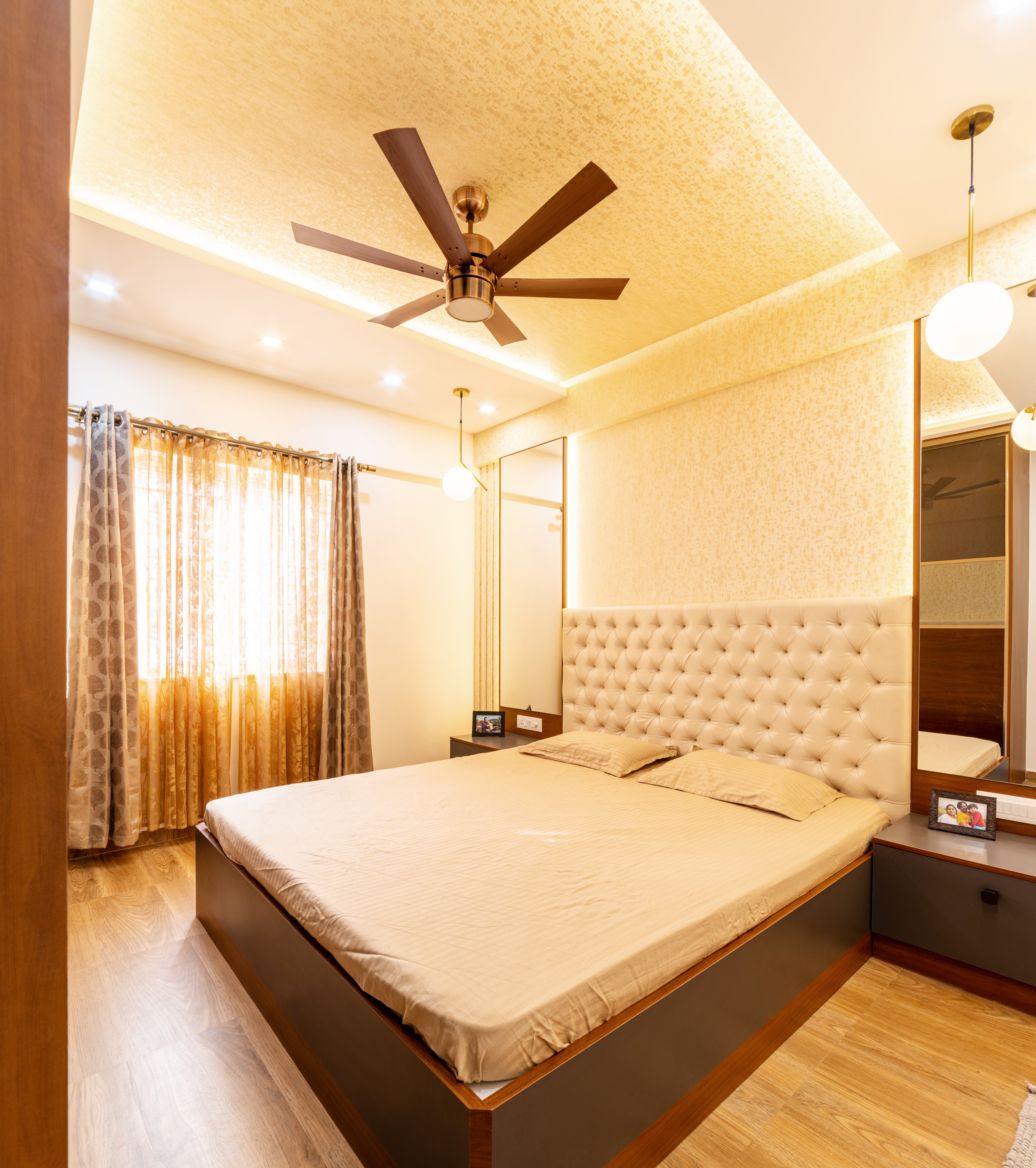
The direction in which a bedroom faces has a noticeable impact on daily comfort. It influences sunlight, room temperature, ventilation, and overall usability. In Indian apartments and independent houses, where bedroom sizes are often limited and openings are fixed, planning around the room’s facing becomes important.
This guide explains each facing direction in simple terms and helps homeowners understand what to expect and how to make the room function well.
1. Why Bedroom Facing Matters
1. Sunlight and Heat
Different sides of a building receive sunlight at different times of the day.
This affects natural lighting, heat levels, and how often the room needs cooling.
2. Ventilation
Bedrooms with proper cross-ventilation stay fresher and reduce humidity, especially in coastal or humid cities.
3. Privacy
The direction often decides whether a room faces a street, neighbour’s balcony, or internal courtyard, which affects noise and privacy.
4. Furniture Planning
Window placement and wall directions influence bed placement, wardrobe layout, and electrical points.
2. East-Facing Bedrooms
Sunlight and Temperature
East-facing rooms receive morning sunlight.
These rooms stay bright early in the day but remain cooler by afternoon.
Practical Benefits
- Good for early risers
- Balanced temperature through the year
- Natural morning light helps with ventilation and cleanliness
Considerations
If the room becomes too bright in the morning, install light-blocking curtains.
3. West-Facing Bedrooms
Sunlight and Temperature
These rooms receive strong evening sunlight.
They often feel warmer in the afternoon and early night, especially on higher floors.
Practical Benefits
- Suitable if the room is used mostly in the morning
- Good natural light until sunset
Considerations
- May require heavier curtains or blinds
- A ceiling fan or AC becomes important in summer months
- Furniture should not block evening ventilation
4. North-Facing Bedrooms
Sunlight and Temperature
North-facing rooms receive soft, indirect light throughout the day.
The temperature stays fairly stable.
Practical Benefits
Ideal for people who prefer a calm, evenly lit bedroom
No harsh sunlight, reducing heat buildup
Suitable for study or work-from-home inside the bedroom
Considerations
Can feel slightly dark in compact apartments
Use light wall colours and proper artificial lighting
5. South-Facing Bedrooms
Sunlight and Temperature
South-facing rooms receive strong sunlight for most of the day.
They tend to stay warmer, especially in cities with hot climates.
Practical Benefits
- Good for colder regions
- Dry, warm air helps reduce dampness
Considerations
- May need heat-resistant curtains
- Light colours on walls and ceilings help reduce heat absorption
- AC usage may be higher in summer months
6. Bedroom Facing and Bed Placement
Regardless of the direction, bed placement should consider:
1. Avoid placing the bed directly under a window
It causes noise, light exposure, and draft issues.
2. Maintain at least 3 ft distance between the bed and wardrobe
This ensures comfortable movement.
3. Keep the headboard on a solid wall
It feels more stable and allows planned electrical points for switches and lights.
7. Practical Solutions for Common Facing Issues
For Too Much Heat
- Use thicker curtains or blinds
- Install ceiling fans or ventilation windows
- Choose lighter shades for walls
For Low Light
Add soft warm lighting near the headboard
Use mirrors to reflect available light
Prefer neutral wall colours
For Privacy Concerns
Frosted films for windows
Sheer curtains for daytime
Maintain a clear separation between sleeping and entry areas
8. What Matters Most
The best bedroom facing depends on the family’s routine, climate of the city, and how the room is used.
Morning sunlight, controlled heat, and proper ventilation usually offer the highest comfort.
In smaller Indian apartments, even basic adjustments like covering harsh light, improving airflow, and selecting the right curtains make a big difference.
Final Guidance
Bedroom facing should support a calm, comfortable, and well-ventilated space.
When homeowners understand how each direction behaves throughout the day, it becomes easier to plan furniture layout, lighting, and temperature control. The goal is not to chase the “best” direction but to make the existing room work well for everyday needs.

