


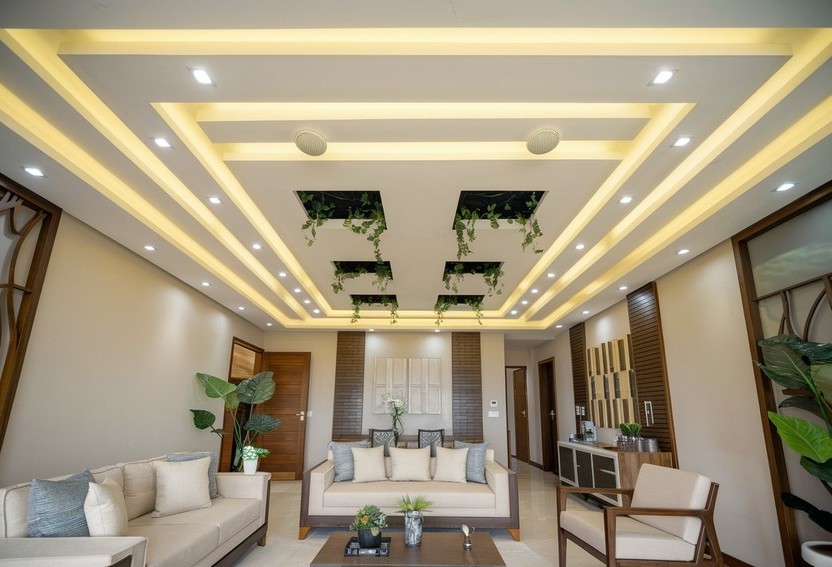
Home interiors often improve not because of expensive materials but because the layout, colours, and storage are planned correctly. “Before and After” comparisons help homeowners see how small decisions create meaningful improvements, especially in typical Indian apartments where space is limited.
This guide explains common before-and-after combinations and why they work. The focus is on practical changes that improve usability, maintenance, and long-term comfort.
1. Cluttered to Organised Layout
Before:
Rooms often feel crowded due to oversized furniture and multiple small décor items. Walkways become narrow, and cleaning becomes difficult.
After:
A simple layout with correctly sized furniture improves circulation.
- Maintain 3 ft walkway wherever possible.
- Choose fewer but functional pieces.
- Use wall-mounted units to free floor space.
- Why it works:
- The room feels larger, receives more light, and is easier to maintain.
2. Dark and Heavy to Light and Balanced Colours
Before:
Dark wall colours and heavy curtains make small rooms look smaller. Light does not spread evenly.
After:
Soft, neutral shades and lighter fabrics improve brightness.
- Off-white, beige, pale grey, and muted pastels work well.
- Use darker colours only for controlled accents.
- Why it works:
- Indian homes with moderate natural light benefit from colours that reflect light, making the space more comfortable throughout the day.
3. Open Shelves to Closed Storage
Before:
Open shelves collect dust quickly. Items remain visually exposed and make the room look untidy.
After:
Closed cabinets or shutters create a neat appearance.
- Use laminate shutters in matte or textured finish for low maintenance.
- Provide drawers for everyday items.
- Why it works:
- The room looks cleaner, and storage becomes more functional, especially in homes with limited space.
4. Basic Lighting to Layered Lighting
Before:
A single tube light or ceiling light creates shadows and uneven illumination.
After:
A mix of ambient, task, and focus lights is used.
- Warm white (3000K–3500K) creates a comfortable glow.
- Task lights are placed near the study table, wardrobe, and kitchen countertop.
Why it works:
Layered lighting improves comfort and reduces eye strain. It also highlights key areas without creating glare.
5. Unplanned Kitchen to Practical Workflow
Before:
Appliances, sink, and cooktop placed randomly. Limited storage and poor ventilation.
After:
A structured work triangle with proper countertop space.
- Keep 2–3 ft gap between sink and hob.
- Use closed cabinets with simple, durable finishes.
- Provide a minimum 2 ft deep countertop.
- Why it works:
- Daily cooking becomes easier, and the kitchen stays cleaner.
6. Excess Décor to Functional Minimalism
Before:
Too many decorative items make maintenance difficult. Dusting becomes time-consuming.
After:
A few purposeful décor pieces are used. Furniture and built-in storage complete the look without excess.
Why it works:
The home looks tidy, and cleaning time reduces significantly.
7. Random Furniture to Measurement-Based Planning
Before:
Furniture bought without measuring room size leads to tight corners and blocked windows.
After:
Measurements guide selection and placement.
- Standard sofa depth: 32–36 inches
- Dining table size for small homes: 4-seater (3.5–4 ft)
- Bed: 5 ft x 6.5 ft for queen
Why it works:
The room feels proportionate. Movement becomes natural and safer.
8. Mixed Finishes to Consistent Materials
Before:
Using many colours, patterns, and finishes makes the home look visually busy.
After:
A consistent palette is selected for the entire home.
- Use two primary materials and one accent.
- Keep hardware type uniform.
Why it works:
The home feels calm and well-planned. Visual continuity improves the sense of space.
Final Thoughts
Before-and-after improvements are most effective when planned with measurement, maintenance, and long-term comfort in mind. Small changes—like better storage, improved lighting, and balanced colours—often make the biggest difference. When choices are practical and proportionate, the home becomes more functional and pleasant to live in.

