


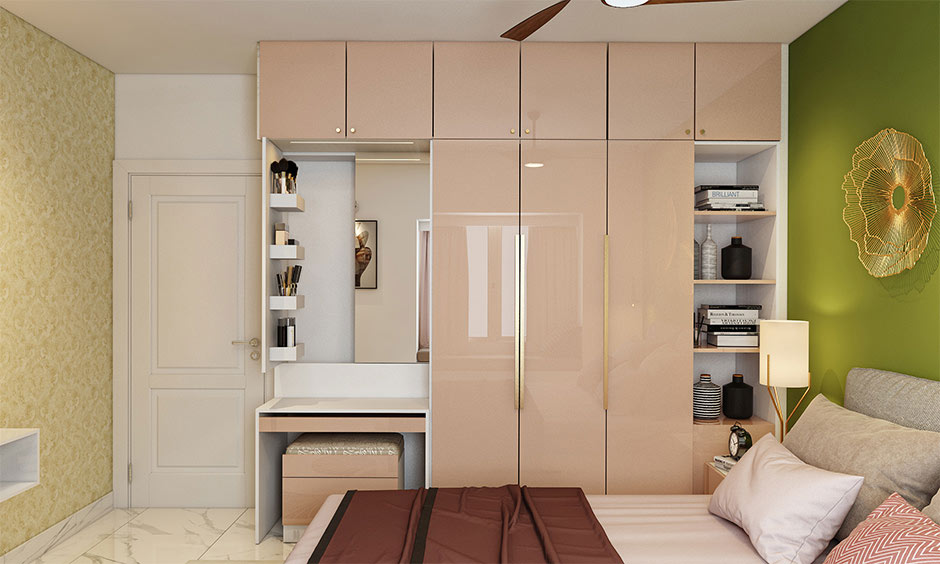
Bedroom Furniture Guide for Indian Homes: Practical Choices for Comfort and Long-Term Use
Bedroom furniture should support comfort, storage, and easy movement. In many Indian apartments, bedrooms have limited floor area, typically ranging from 100 to 140 sq. ft. This makes it important to choose furniture that fits well, offers useful storage, and is easy to maintain.
This guide explains practical bedroom furniture choices, standard measurements, and planning tips suitable for Indian homes.
1. Choosing the Right Bed
The bed is usually the largest furniture piece in the room. Selecting the right size and type improves comfort and circulation space.
Recommended sizes
- Queen size: 5'0" × 6'6" (suits most 2BHK/3BHK bedrooms).
- King size: 6'0" × 6'6" (works only if clear space remains around the bed).
Bed types
- Box storage bed: Useful for apartments with limited wardrobes.
- Hydraulic storage bed: Easier to lift but costs more.
- Non-storage bed: Recommended if the room has sufficient wardrobes.
Practical notes
- Leave at least 2–3 feet walking space on both sides if possible.
- Avoid very tall headboards in small rooms as they make the space feel crowded.
2. Wardrobes for Maximum Storage
Wardrobes handle most clothing and linen storage in Indian homes.
Standard measurements
- Depth: 2 feet
- Height: 7–8 feet
- Shutter width: 1'6"–2'0" per shutter for smooth operation
Internal layout
- 3½–4 feet hanging section
- 2–3 drawers for valuables and accessories
- Overhead storage for luggage and seasonal items
Materials
- MDF and particle board are cost-friendly but require care.
- Plywood with laminate is the most durable and practical for Indian conditions.
Sliding vs. hinged wardrobes
- Sliding: Saves space but costs more and needs good hardware.
- Hinged: More affordable and easier to clean.
3. Side Tables for Daily Convenience
Side tables keep essential items close and organised.
Ideal size
- Width: 1' to 1'6"
- Height: Match the mattress height for easy access.
Features to consider
- One drawer for medicines or small items.
- Bottom shelf for books or charging devices.
- Avoid bulky designs in compact rooms.
4. Dressers and Compact Study Units
Many Indian bedrooms double as dressing areas or small workspaces.
Dressing units
- A mirror with a narrow storage section works well.
- Wall-mounted dressers save floor space.
- Keep the mirror away from the bed if possible to minimise glare.
Study units
- Choose a simple 3–4 ft. desk if you work occasionally.
- Use wall shelves to store books instead of deep cabinets.
5. TV Units and Wall Shelves
Not all bedrooms require a TV unit, but if you include one, keep it simple.
Practical design
- A wall-mounted panel with a narrow bottom shelf is sufficient.
- Keep the depth around 8–12 inches to avoid crowding the room.
- Wall shelves can be used to display small items but should not overload the room visually.
6. Storage Solutions for Small Bedrooms
Small Indian bedrooms benefit from efficient storage planning.
- Useful additions
- Under-bed drawers (if not using hydraulic storage).
- Overhead cabinets above wardrobes.
- Corner shelves for small items.
- Bedside niche built into the wall.
- Avoid crowding the space with too many units. Prioritise essential furniture first.
7. Materials and Finishes
- Choosing the right materials improves durability and maintenance.
- Common choices
- Laminate: Low-maintenance, wide range, cost-effective.
- Acrylic: High-gloss finish, but fingerprints are visible.
- PU paint: Smooth look, suitable for premium projects.
Frames
- Plywood is recommended for long-lasting furniture.
- Avoid particle board in wet or humid areas.
8. Standard Bedroom Furniture Layout
- A typical layout for a 10' × 12' bedroom:
- Bed: 5' × 6'6" placed at the centre of the longer wall.
- Wardrobe: 2' × 6' to 8' on the adjacent wall.
- Side tables: 1' to 1'6" on each side.
- Dresser: On the wall opposite the bed, around 2'6" wide.
- Following standard measurements ensures comfortable movement.
Common Mistakes to Avoid
- Choosing oversized beds that reduce circulation.
- Using sliding wardrobes without checking wall straightness.
- Placing furniture near windows and blocking natural light.
- Adding too many standalone units that reduce walking space.
- Selecting delicate finishes that show scratches easily.
Maintenance Tips
- Clean laminate surfaces with a soft cloth.
- Check hydraulic bed fittings once a year.
- Avoid placing heavy items on sliding wardrobe tracks.
- Keep wardrobes dry and ventilated to prevent mould.
FAQs
1. What is the most practical bed size for Indian apartments?
A queen-size bed fits well in most 10' × 12' bedrooms.
2. Are sliding wardrobes suitable for small rooms?
Yes, they save space but need good-quality tracks and straight walls.
3. Which material is best for bedroom furniture?
Plywood with laminate finish is the most durable and easy to maintain.
4. How much space should be left around the bed?
At least 2–3 feet for comfortable movement.
Conclusion
Bedroom furniture should be planned with both comfort and practicality in mind. In Indian apartments, limited space makes it important to choose the right bed, wardrobe, and storage units without crowding the room.
By following standard measurements and selecting durable materials, homeowners can create a functional bedroom that remains easy to maintain for many years.
Why Choose Our Interior Studio for Bedroom Furniture Planning?
At our interior studio, we plan bedroom furniture that supports comfort, durability, and everyday usability. We study room dimensions, movement space, and usage patterns before finalising furniture types and sizes. This ensures the bedroom remains spacious, functional, and easy to maintain in Indian homes.
Our team selects furniture materials, finishes, and layouts that withstand daily use while blending with the overall interior style. Proper planning prevents overcrowding and mismatched pieces. With our professional interior expertise, bedroom furniture remains practical, comfortable, and well-balanced for long-term living.

